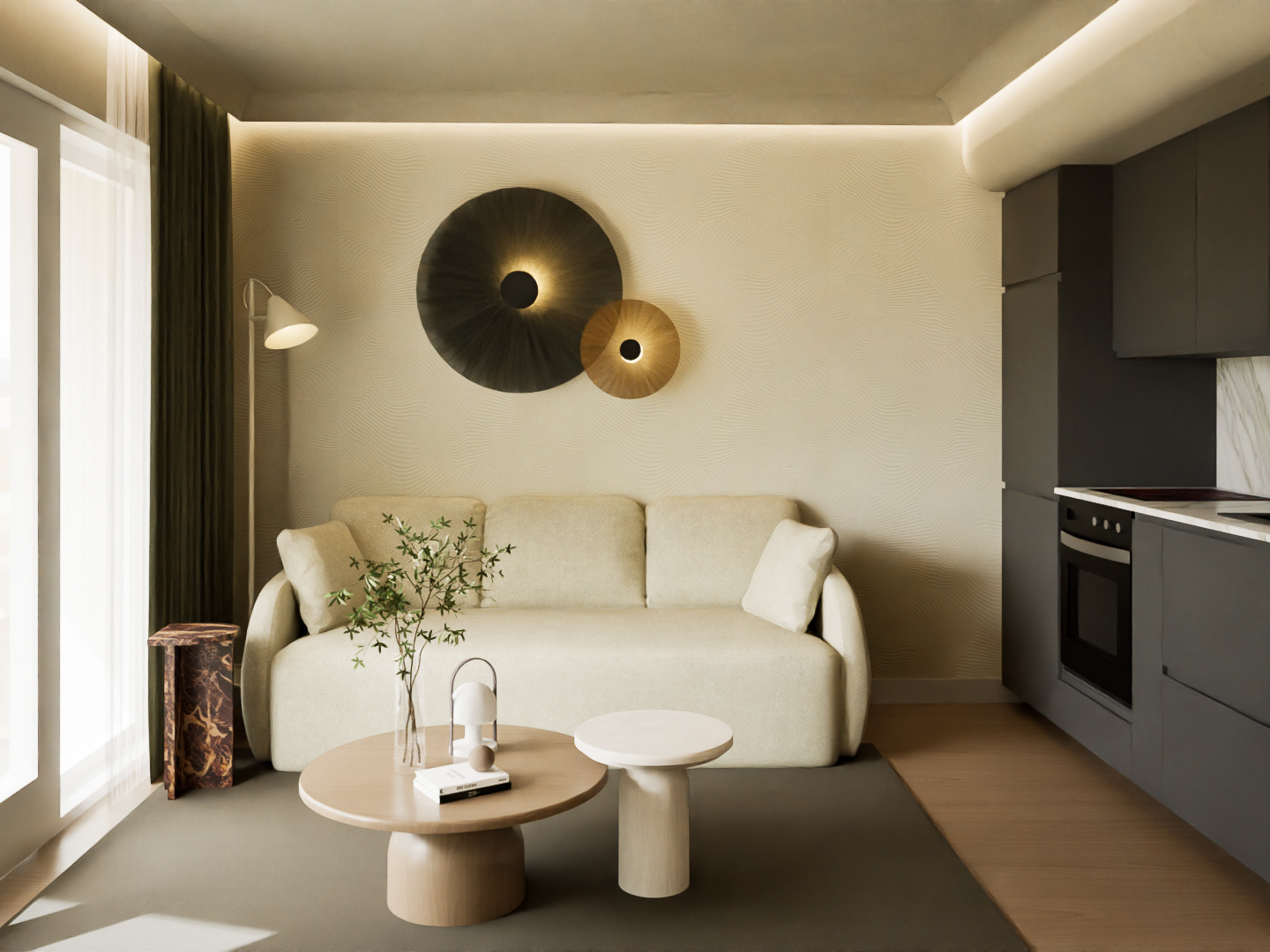
Roman Brands House Madrid Offices: Essential Balance in Historic Building Renovation
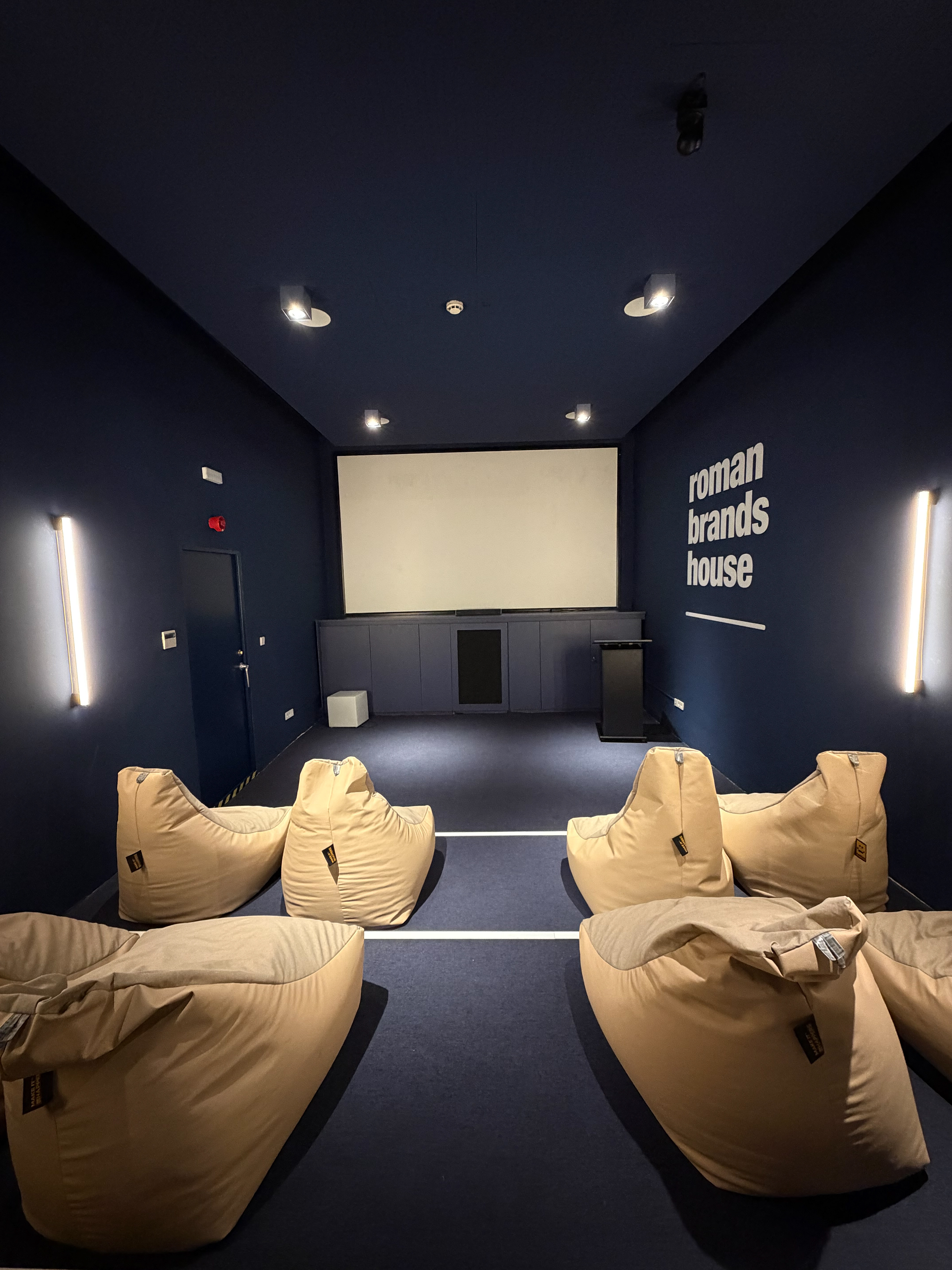
The new headquarters for Roman Brands House, designed by Sanber Studio, is located in a distinguished historical building on Mártires de Alcalá, Madrid. This project transcends a simple renovation, acting as a meticulous study in dualism, a space where the gravitas of architectural heritage engages in a refined dialogue with the client’s contemporary, technological spirit.
The Conceptual Approach: A Timeless Dualism
The guiding conceptual principle for the entire project was "Essential Balance" (Equilibrio Esencial). Sanber Studio established a clear narrative duality, ensuring the space speaks to both the past and the future of the brand:
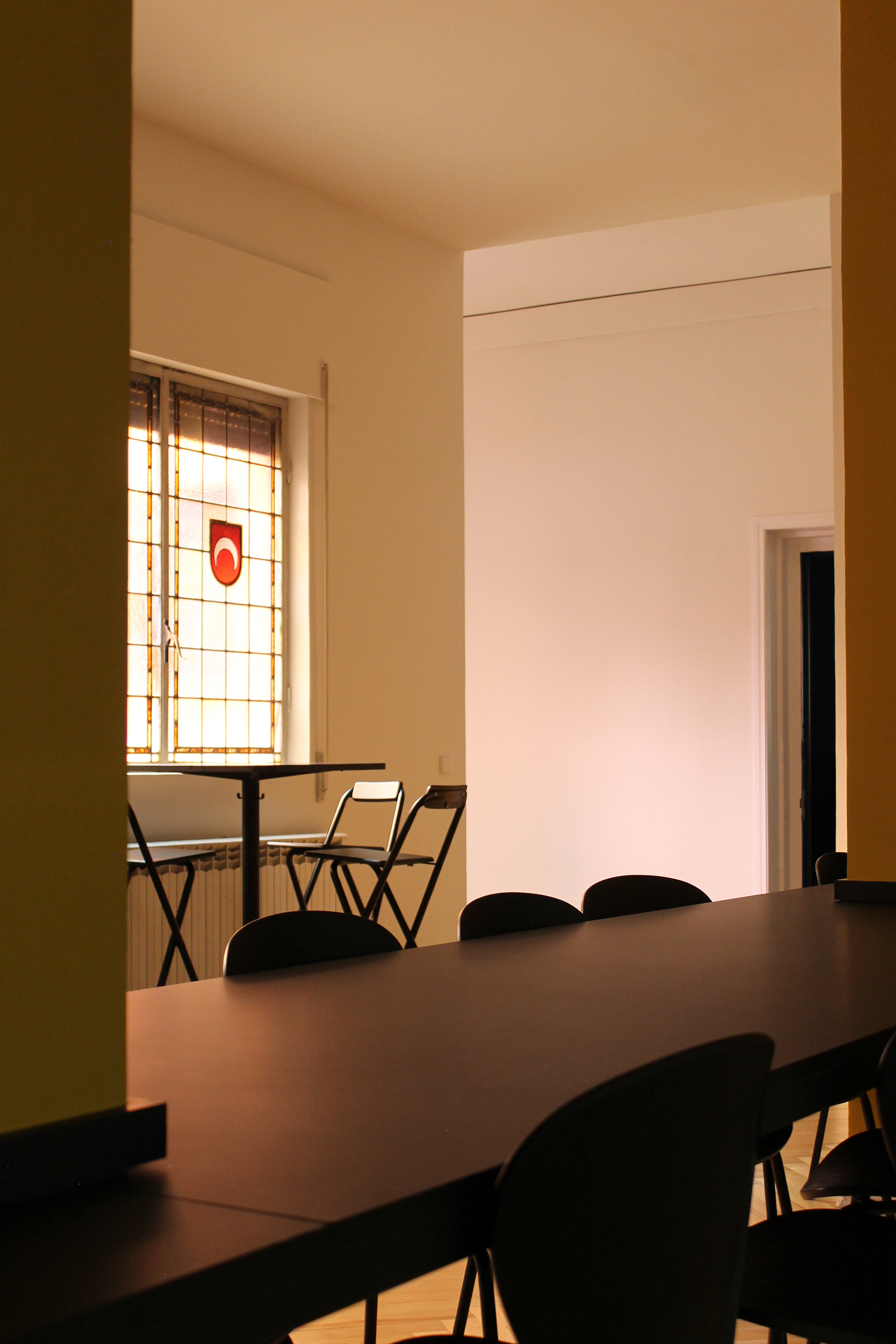
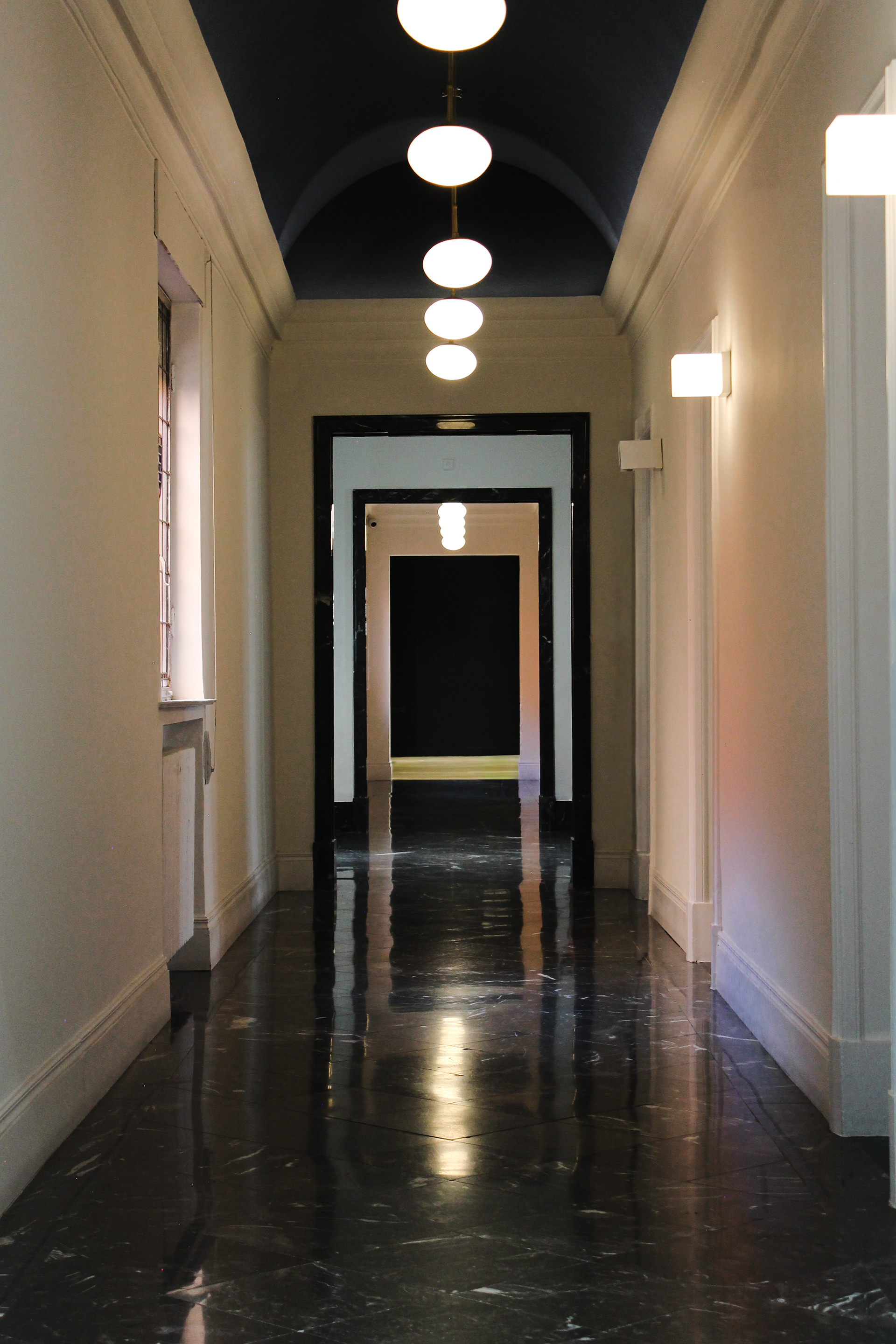
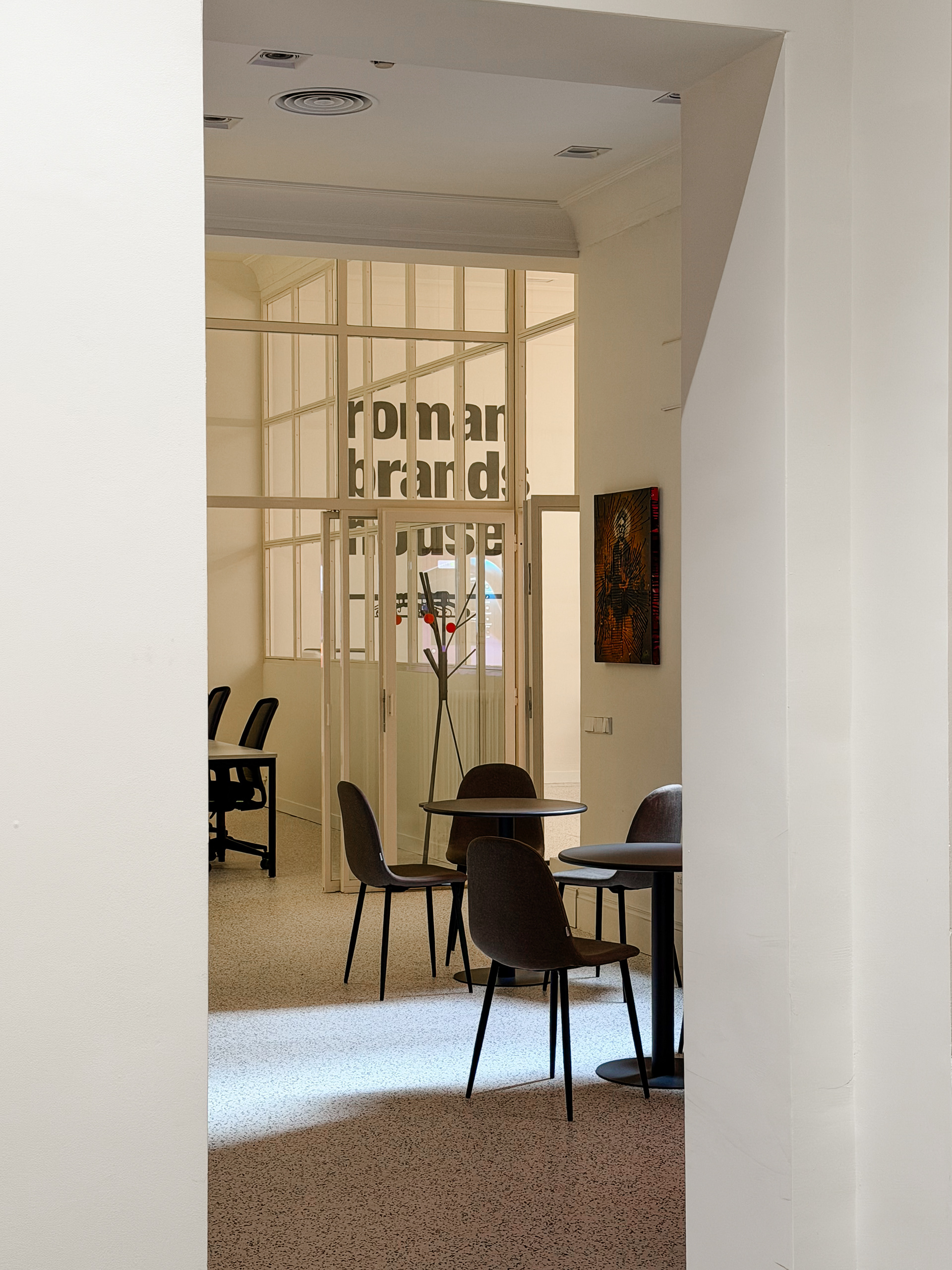
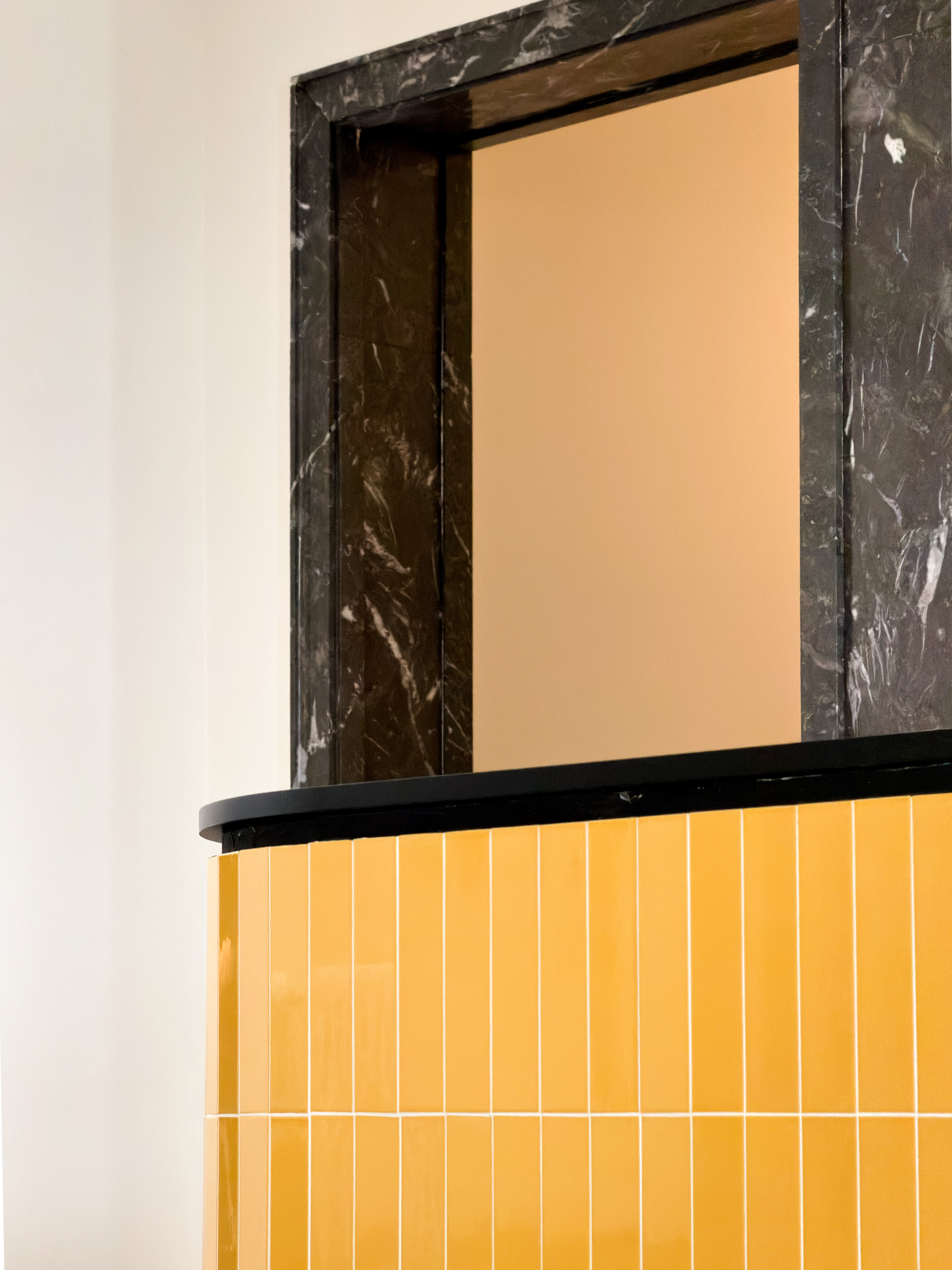
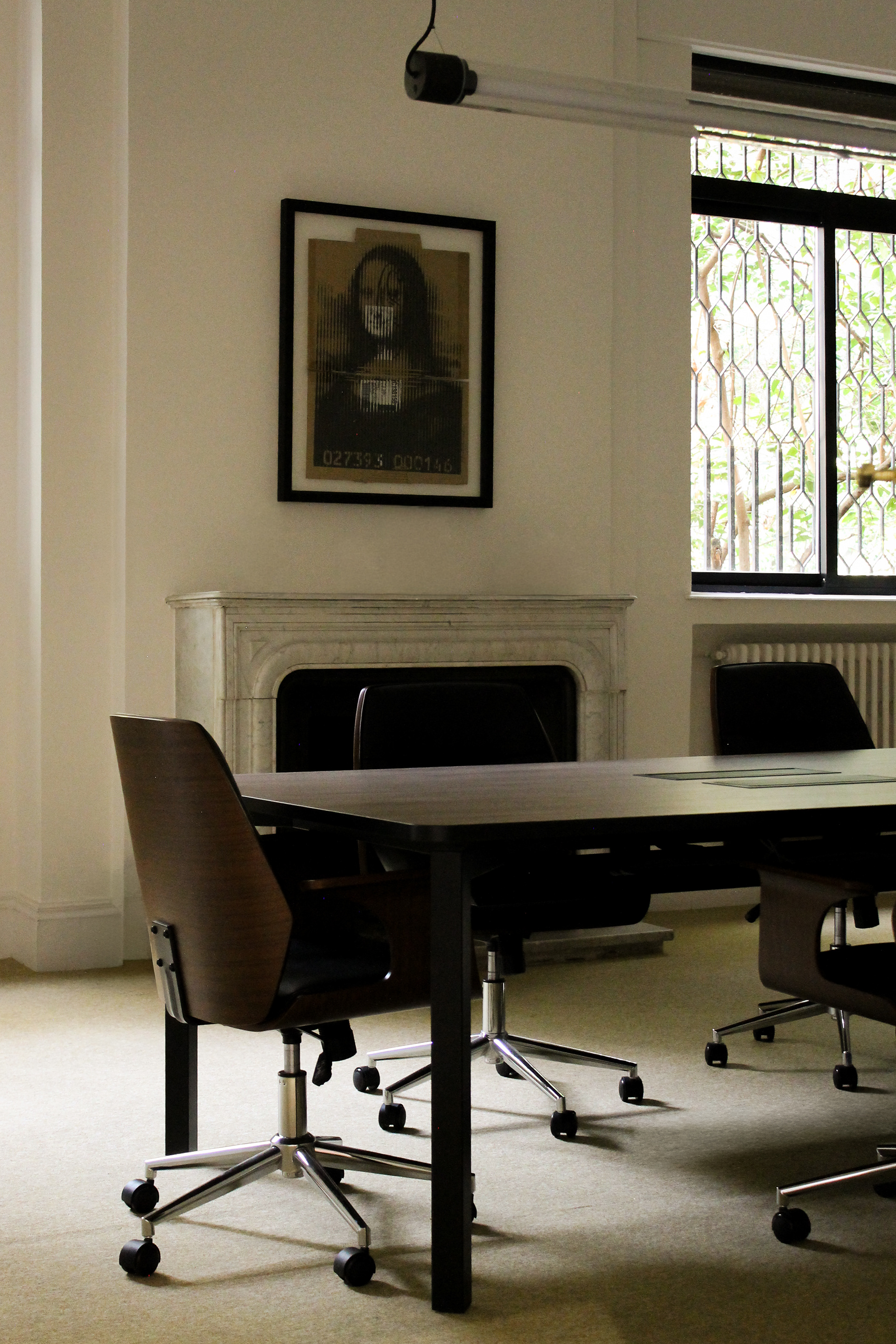
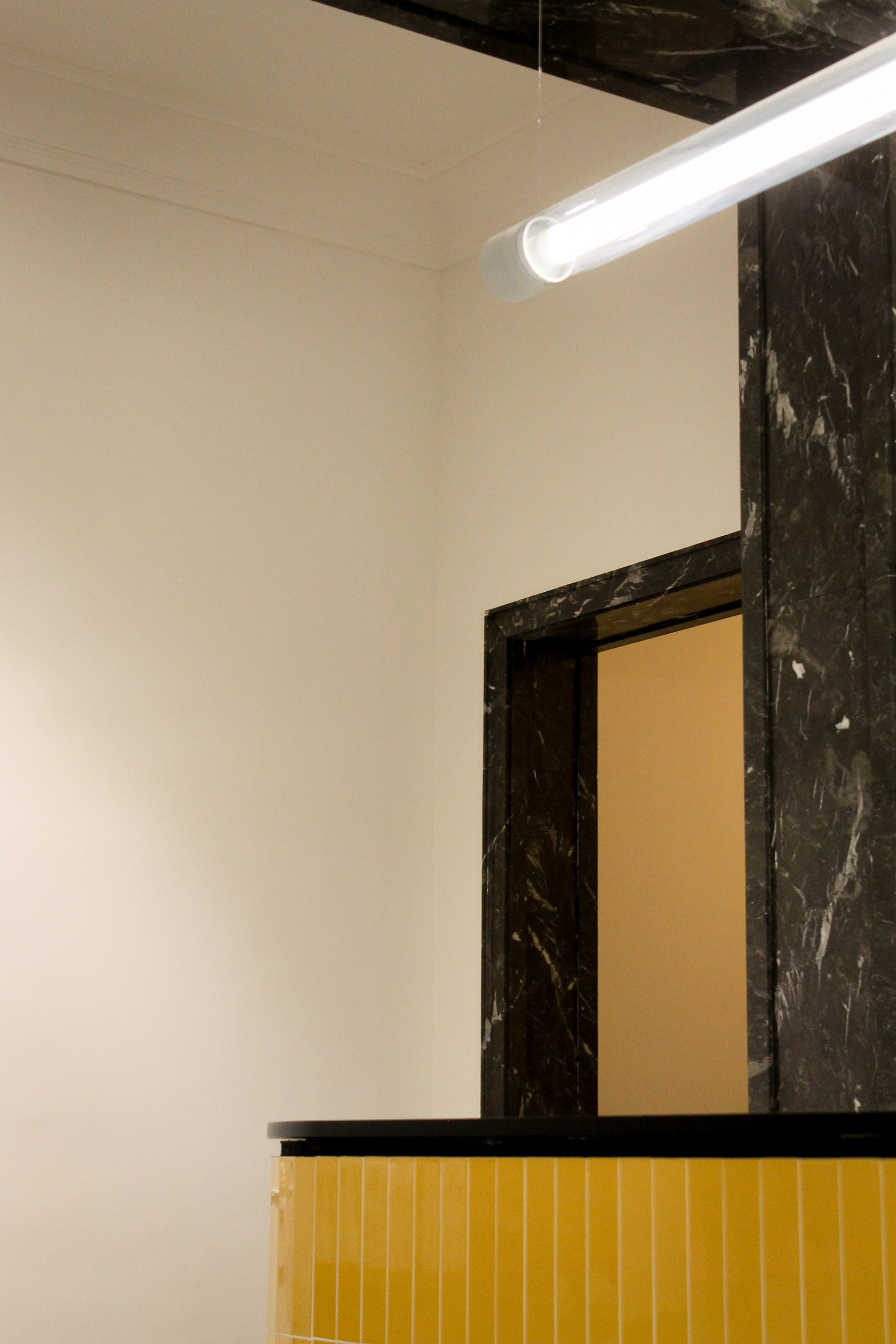
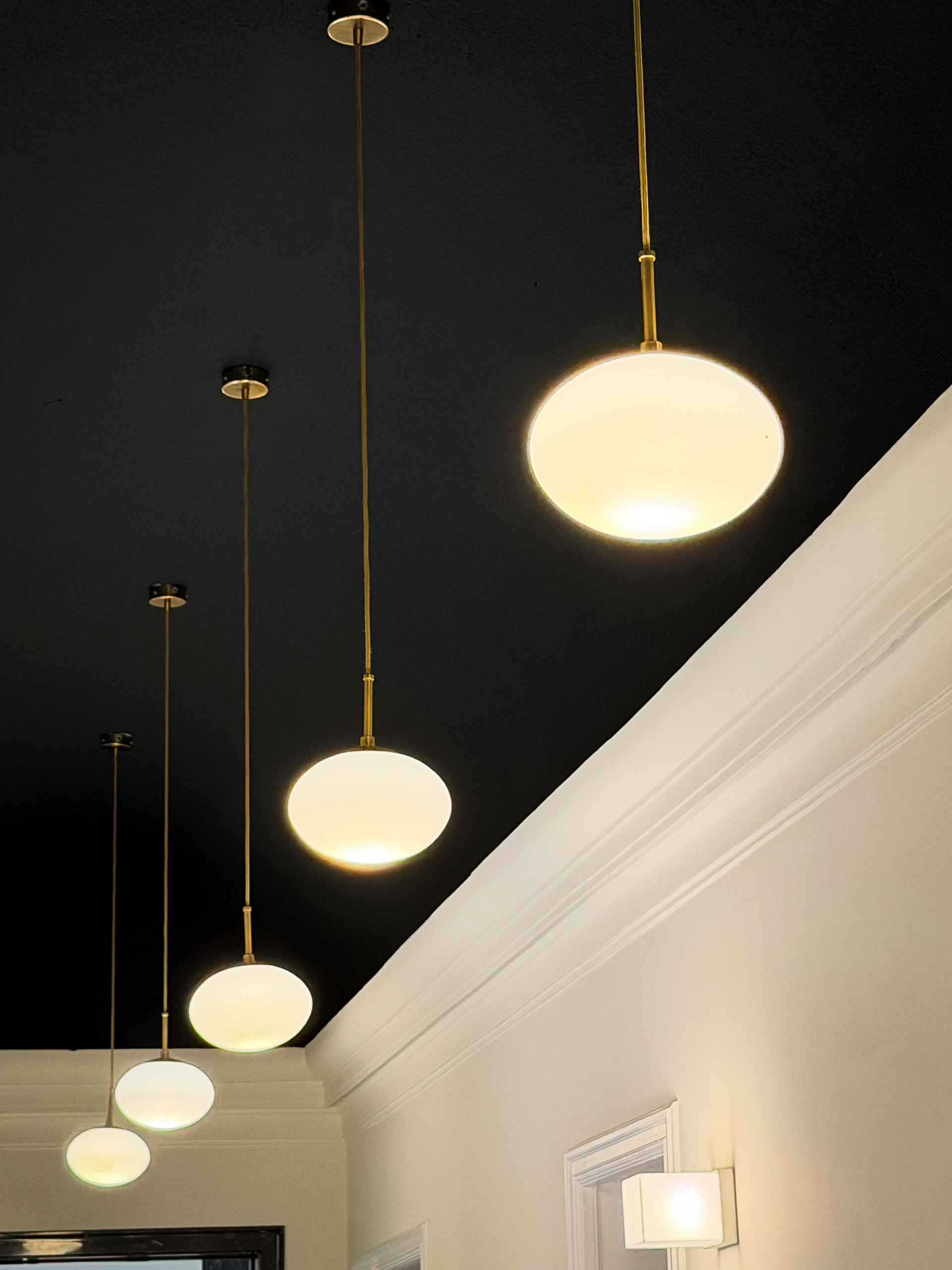
On one side, the Architecture as Legacy: The building's existing structure, characterized by its original mouldings, parquet flooring, and stained glass, provides a canvas of timeless sophistication. This layer of design anchors the office, lending a tone of institutional solidity and trustworthiness essential to a consolidated brand.
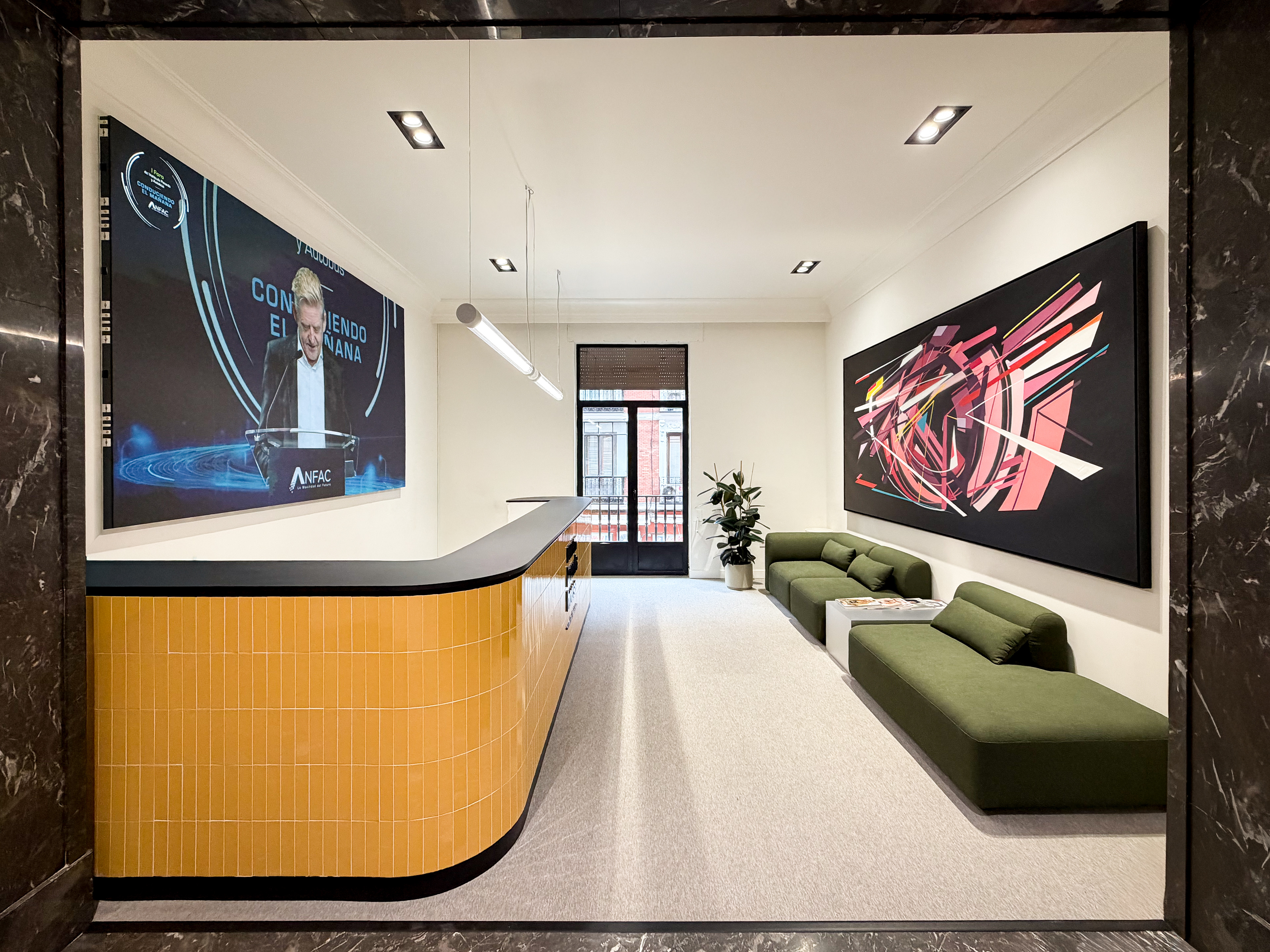
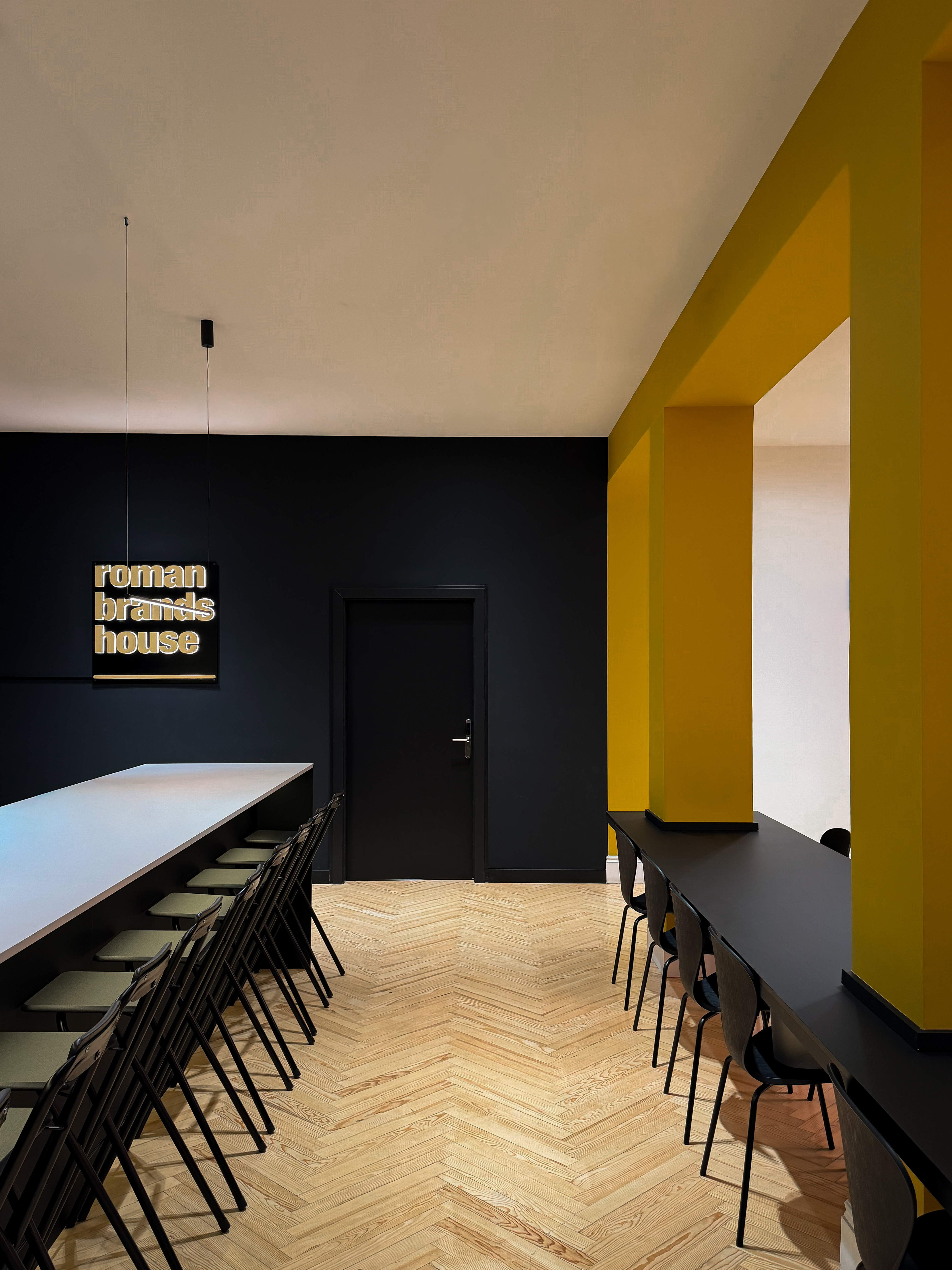
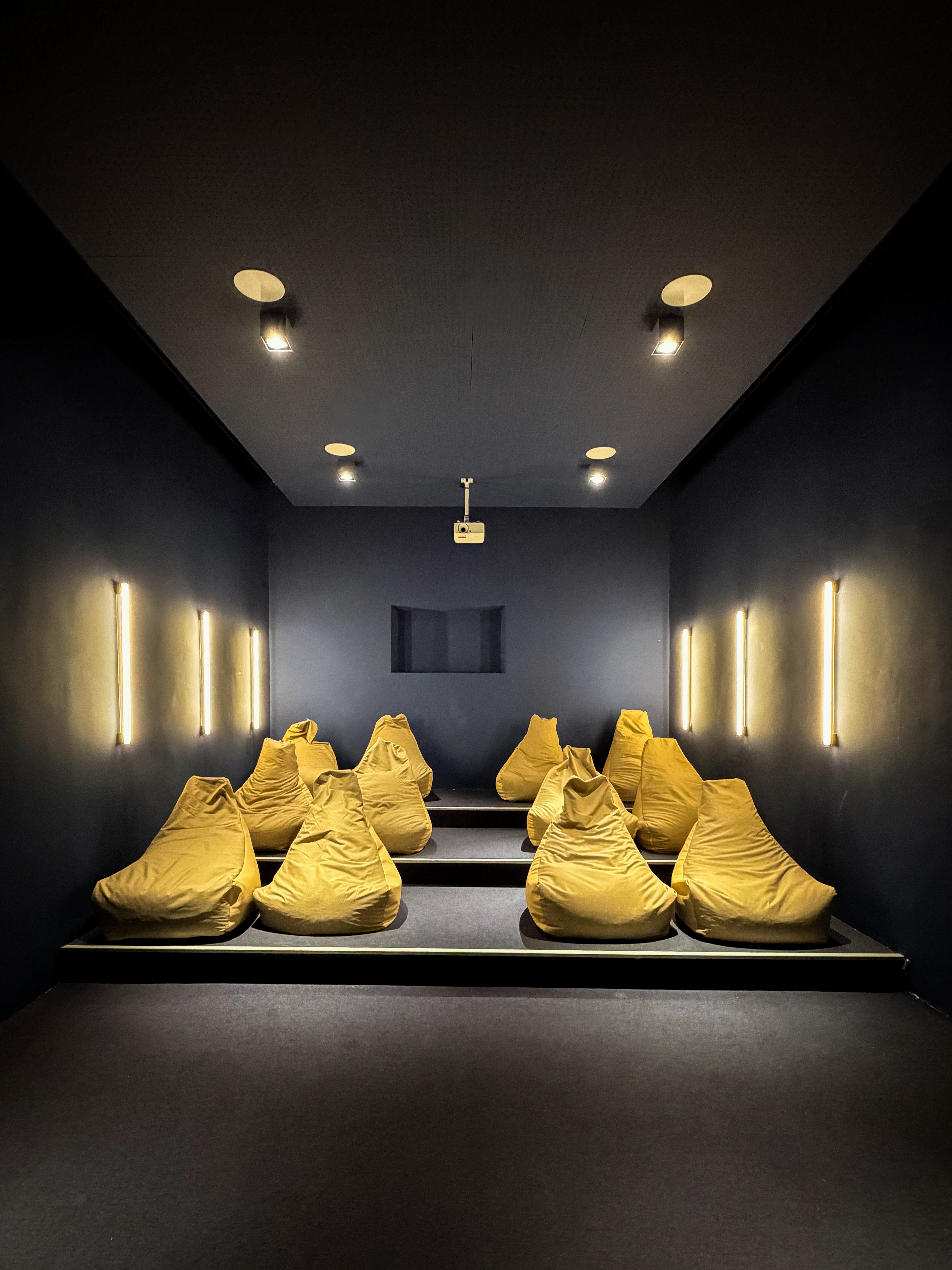
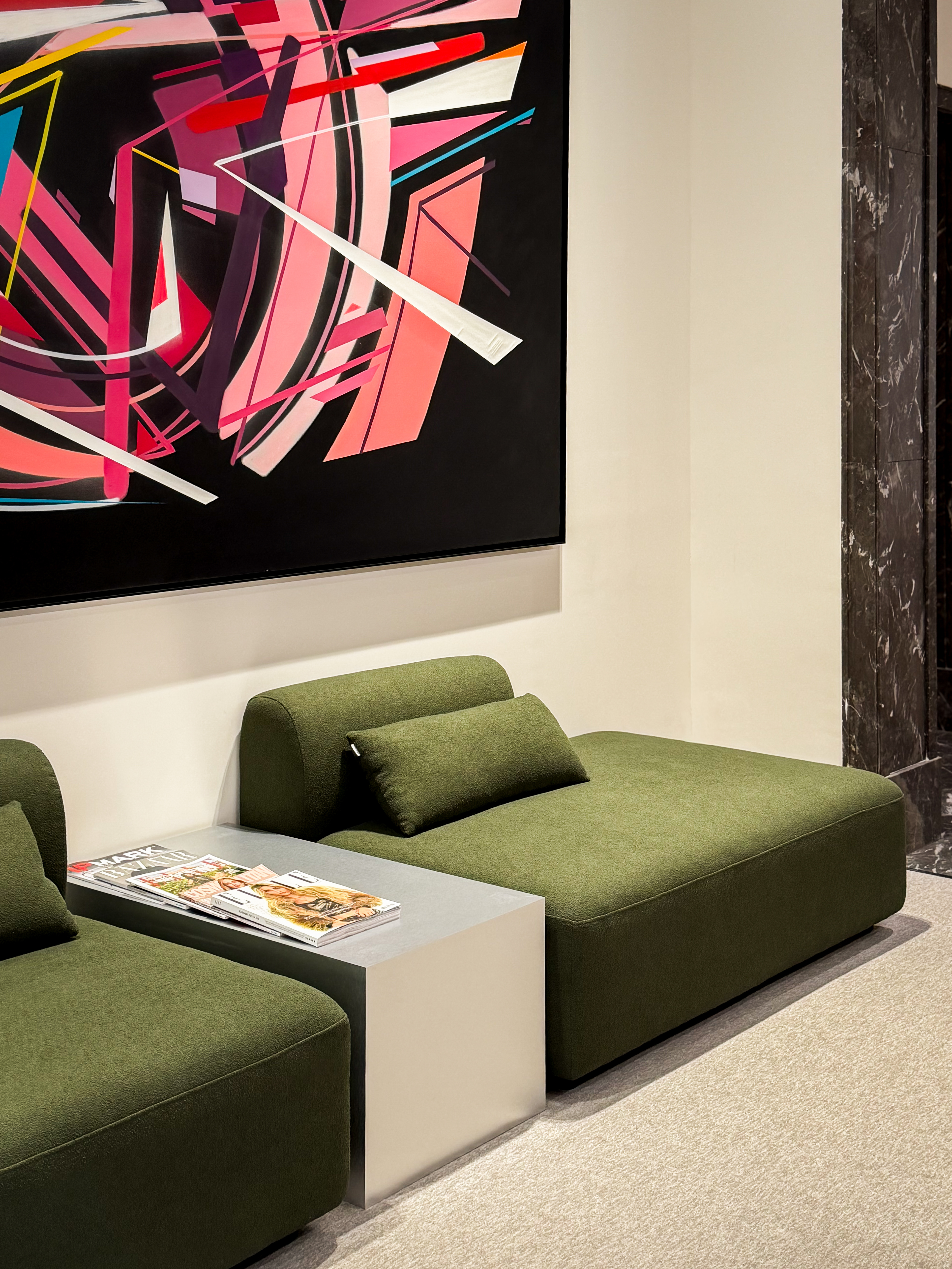
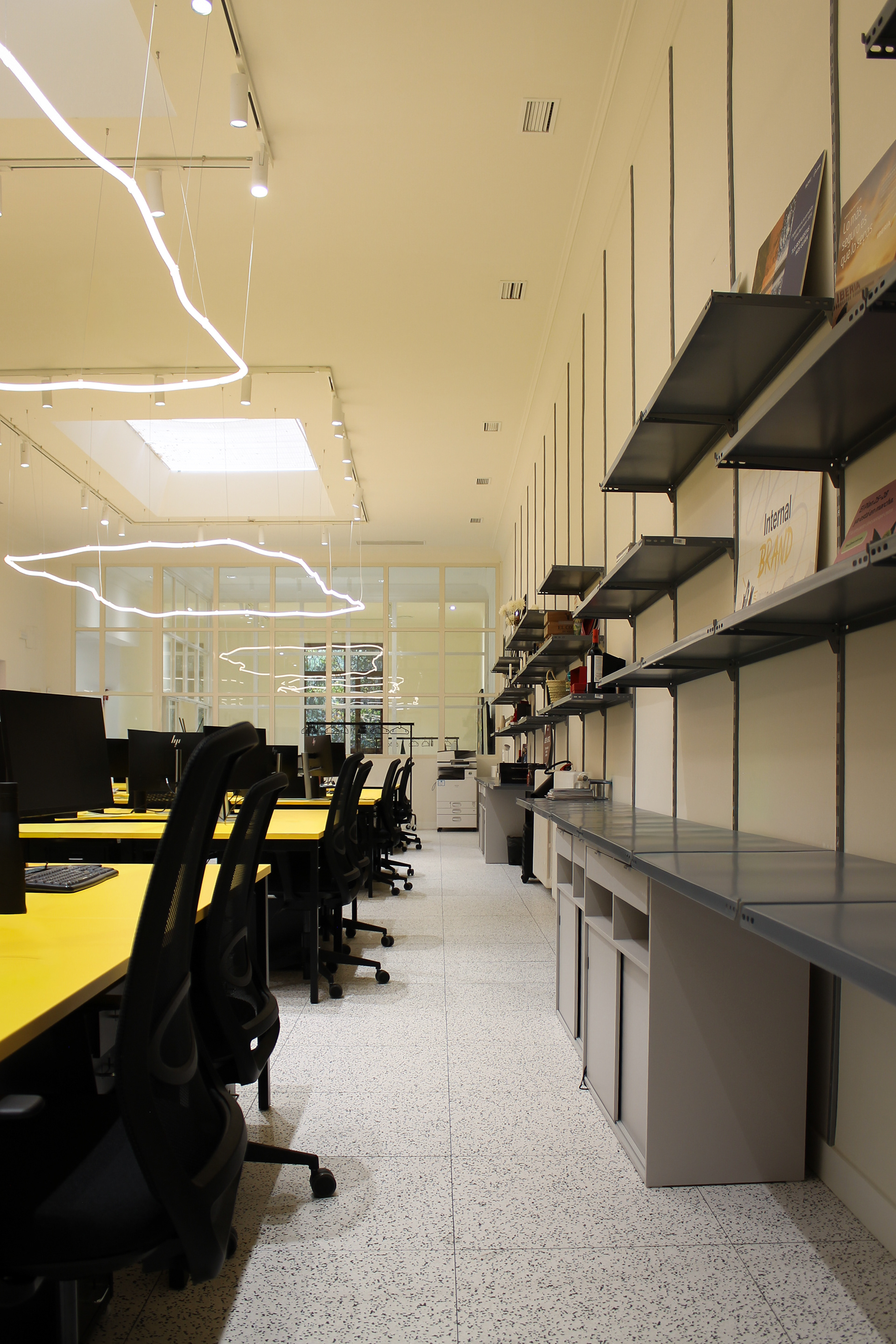
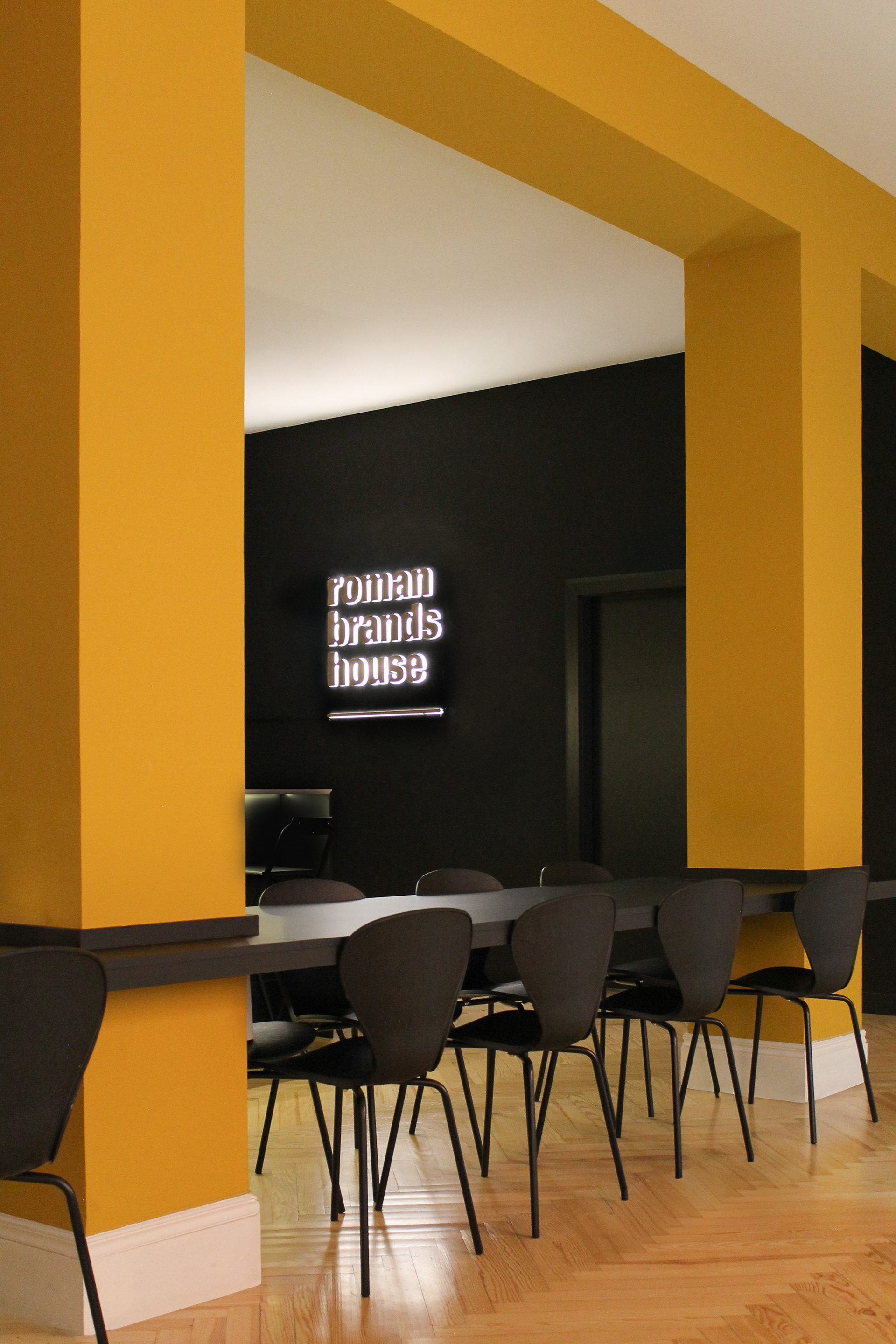
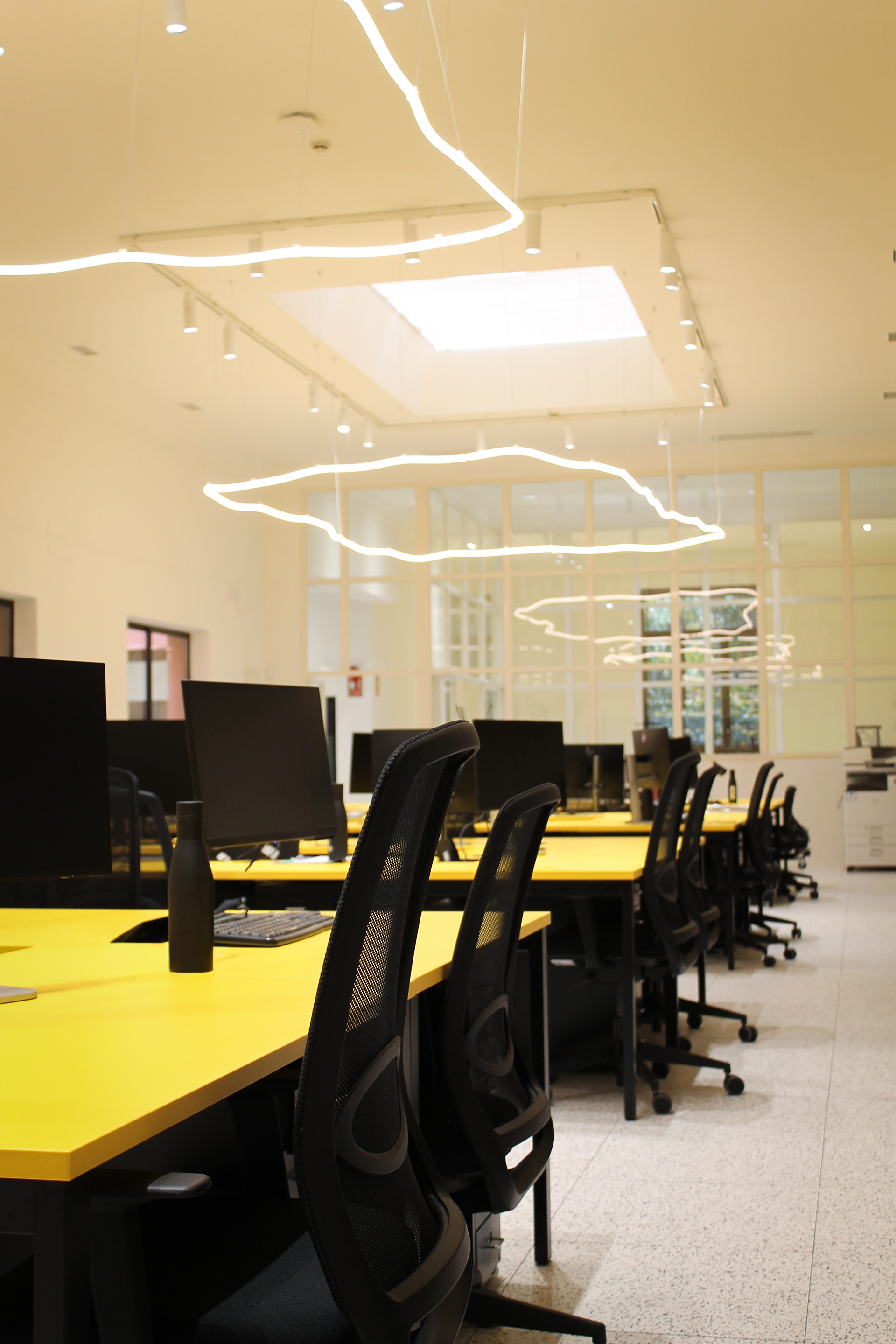
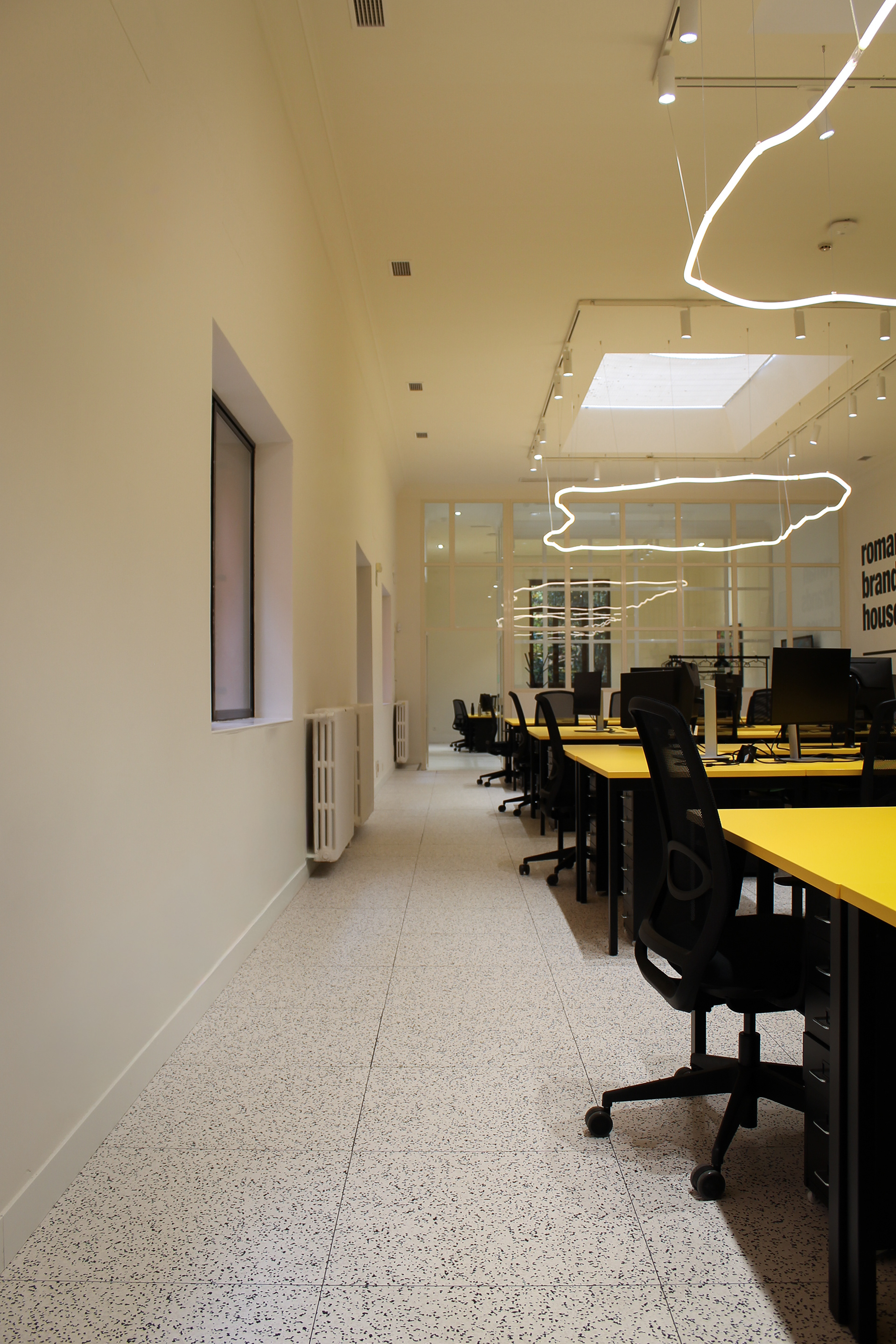
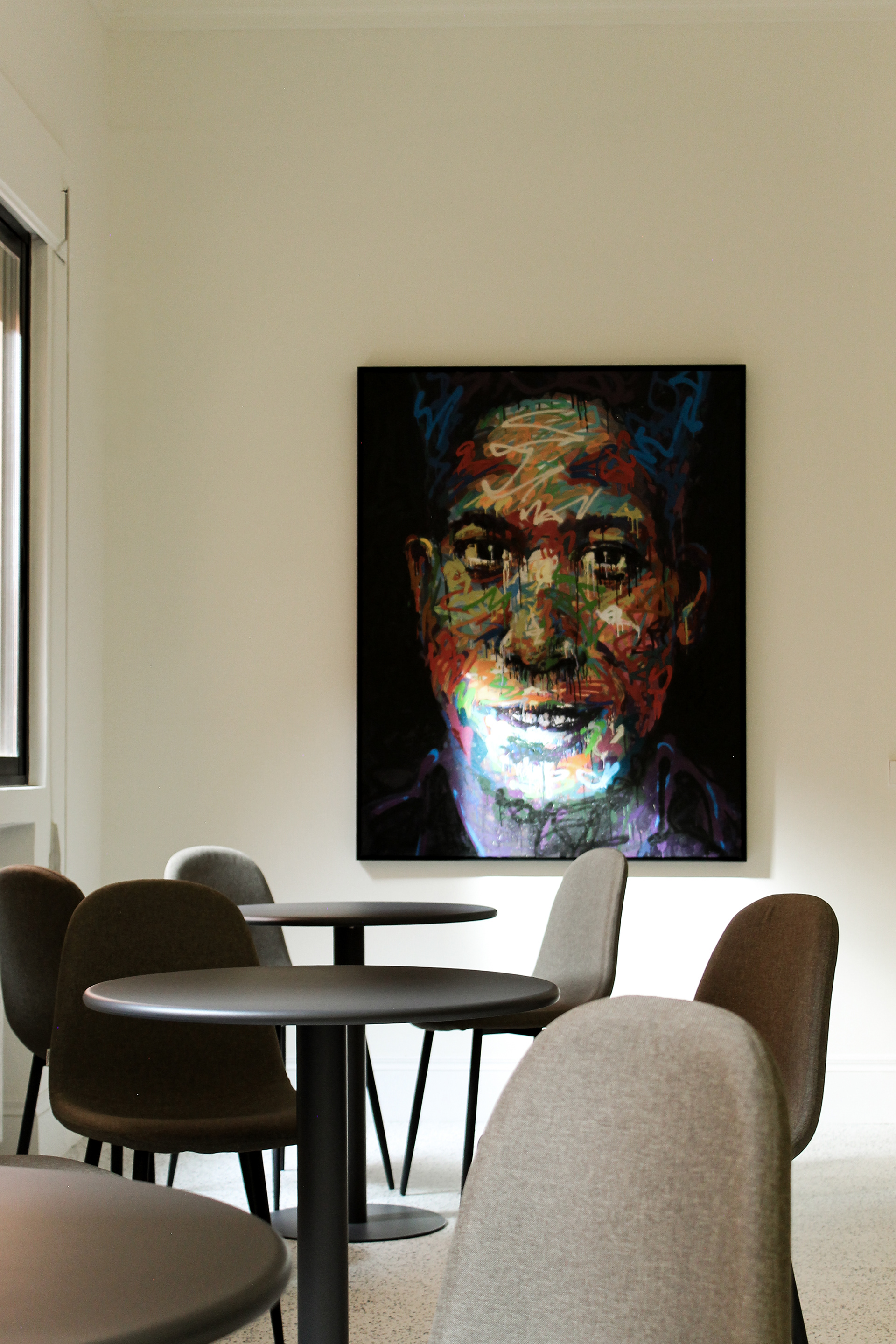
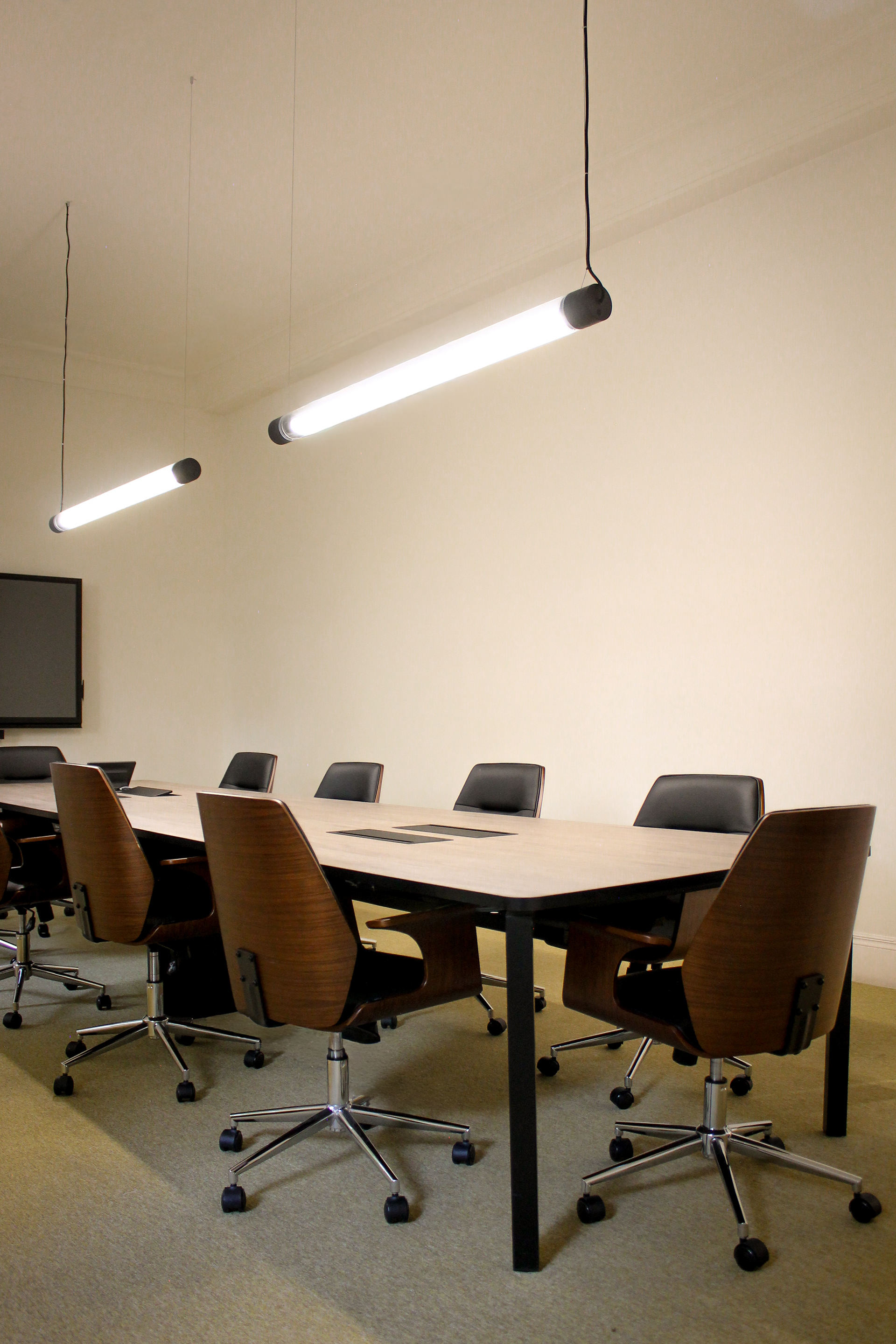
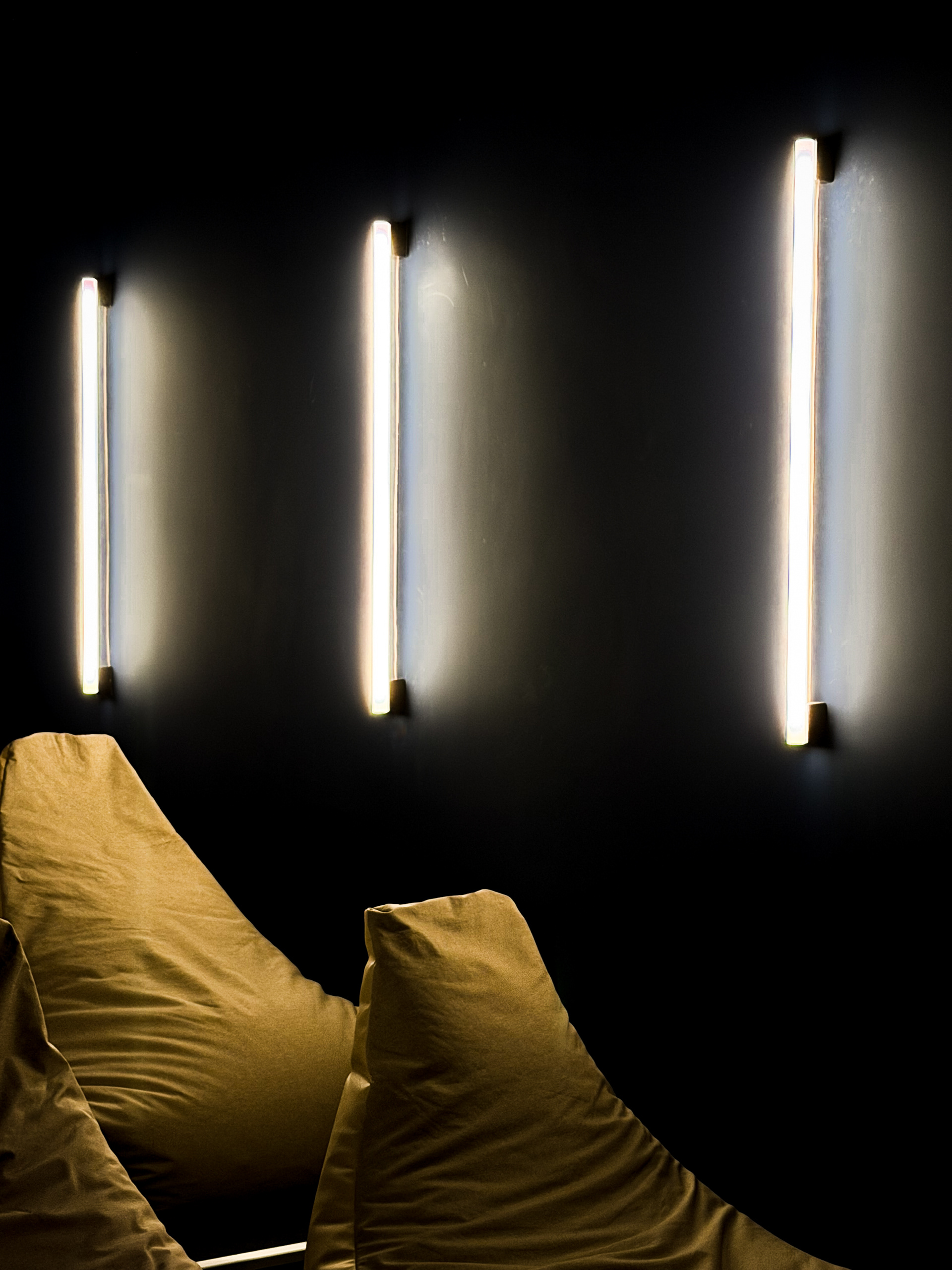
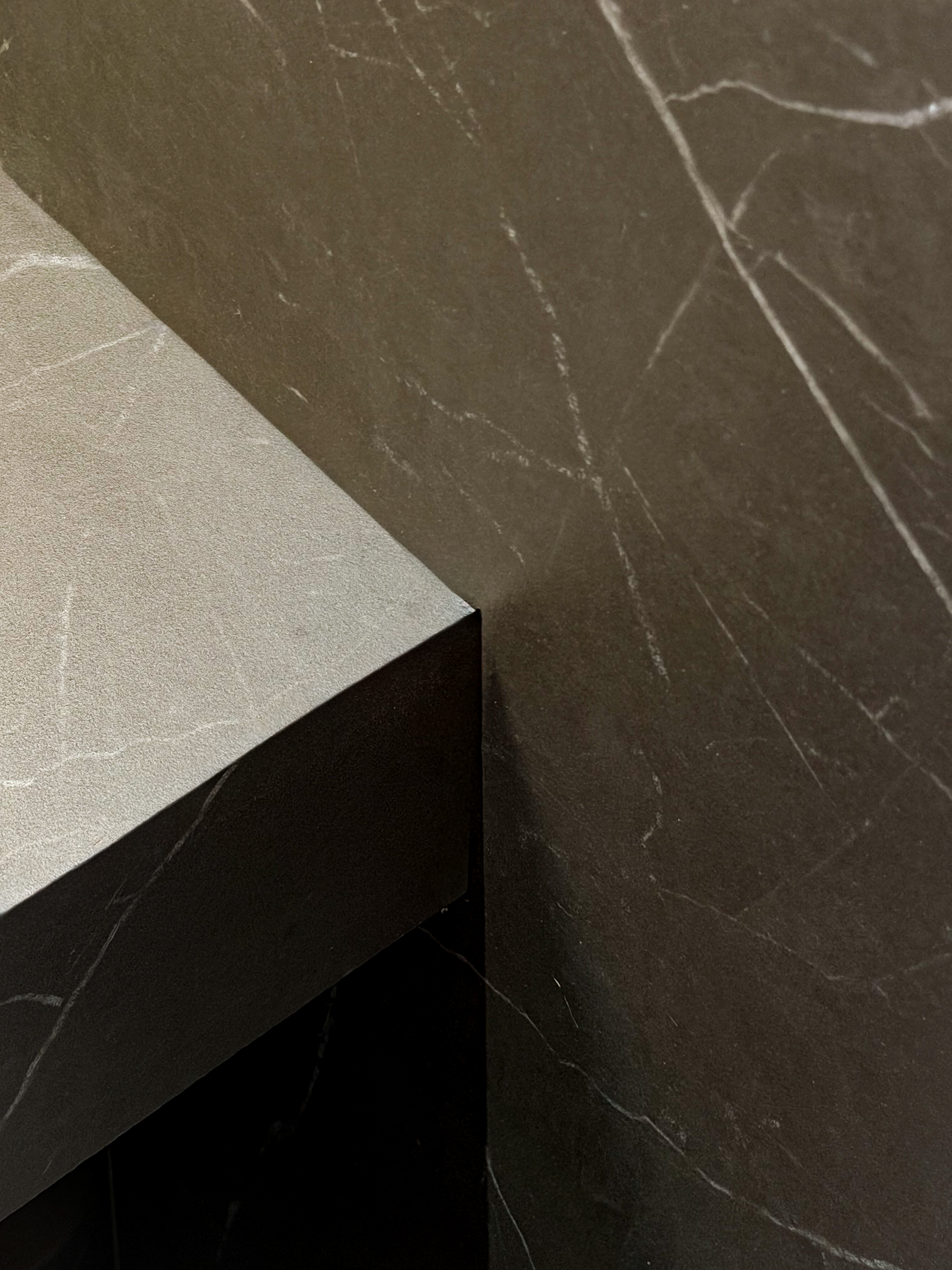
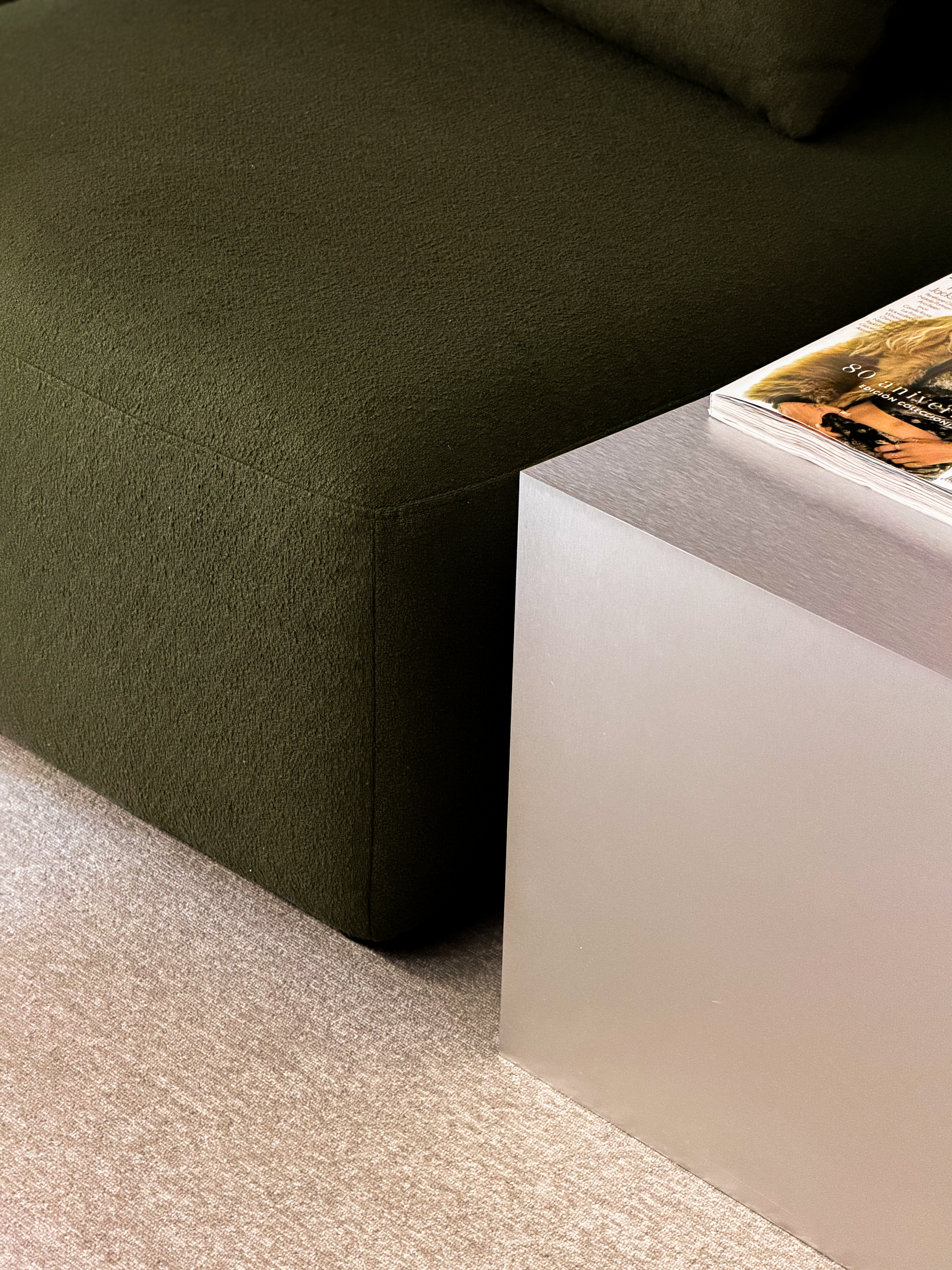
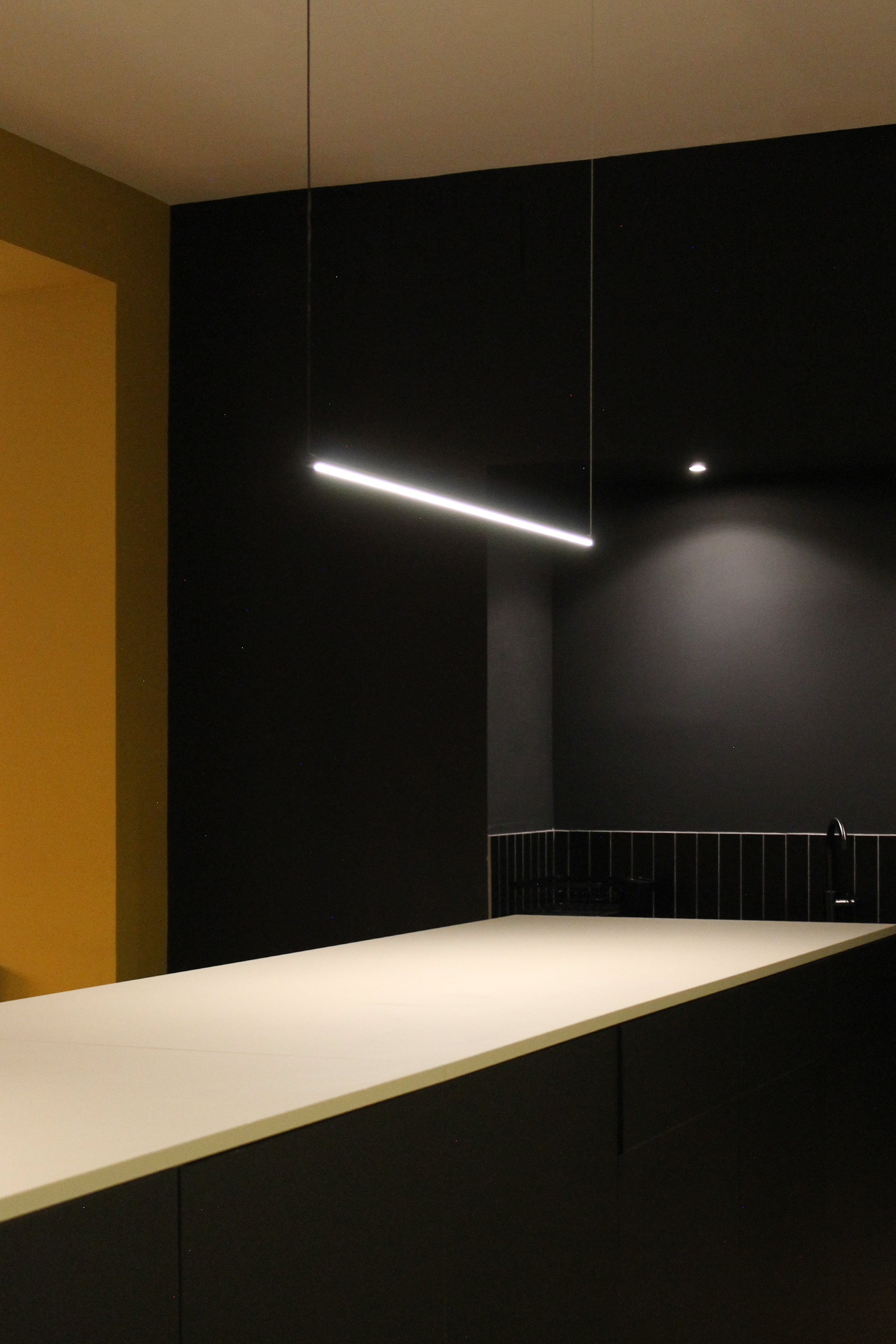
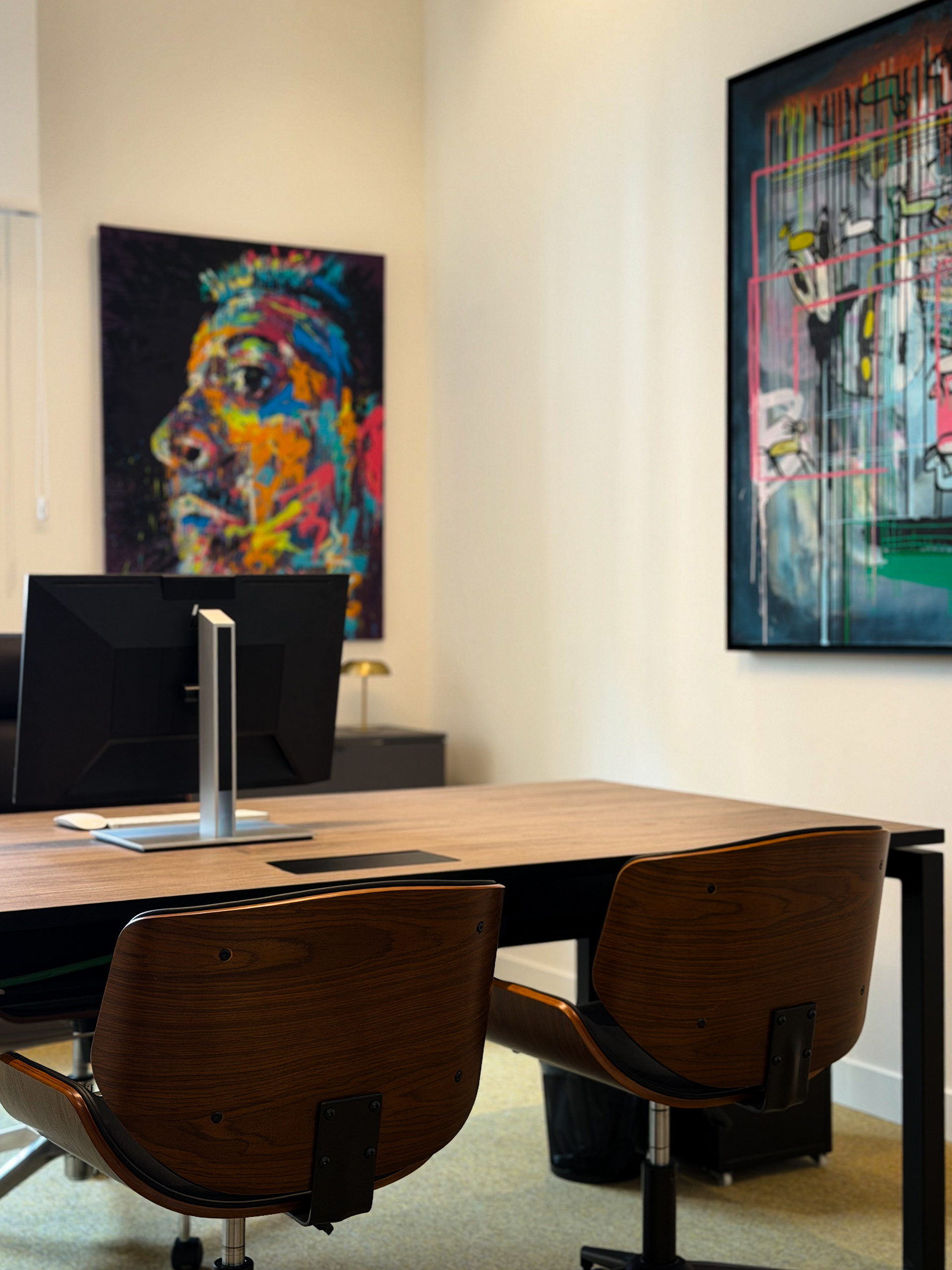
On the other side, the Interior Design as Avant-Garde: The furnishings, lighting, and meticulously curated interior elements embody the client’s technological drive and creative spirit. These deliberate insertions, including statement neon art, integrated murals, and selected design pieces, introduce unexpected rhythm and vitality, ensuring the space remains dynamic and future-oriented.
The core intent was to craft a coherent, powerful identity that inspires and serves as an authentic extension of the Roman Brands House culture, articulating both solidity and innovation with grace.
The Architectural Intervention: Functional Integrity and Flexibility
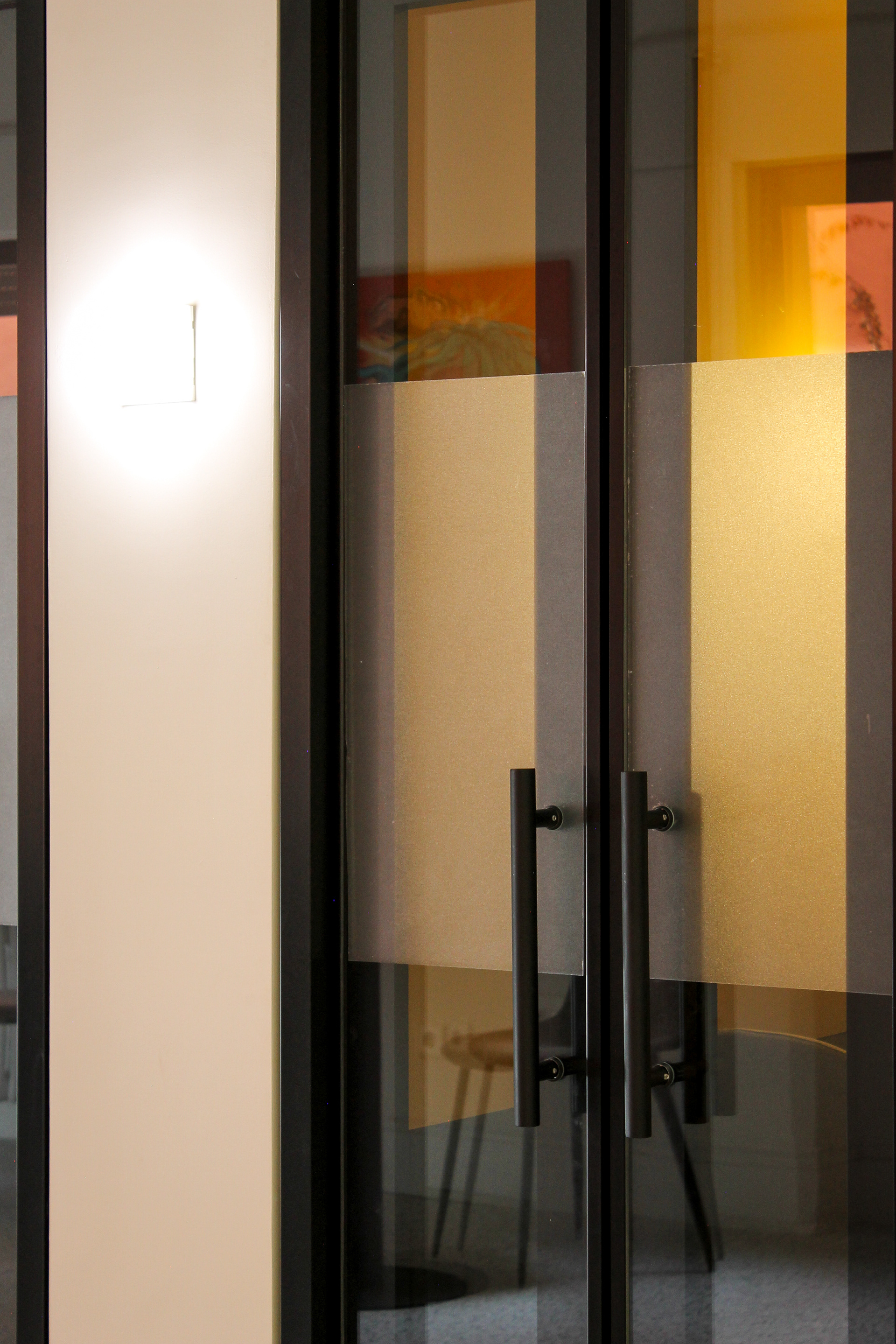
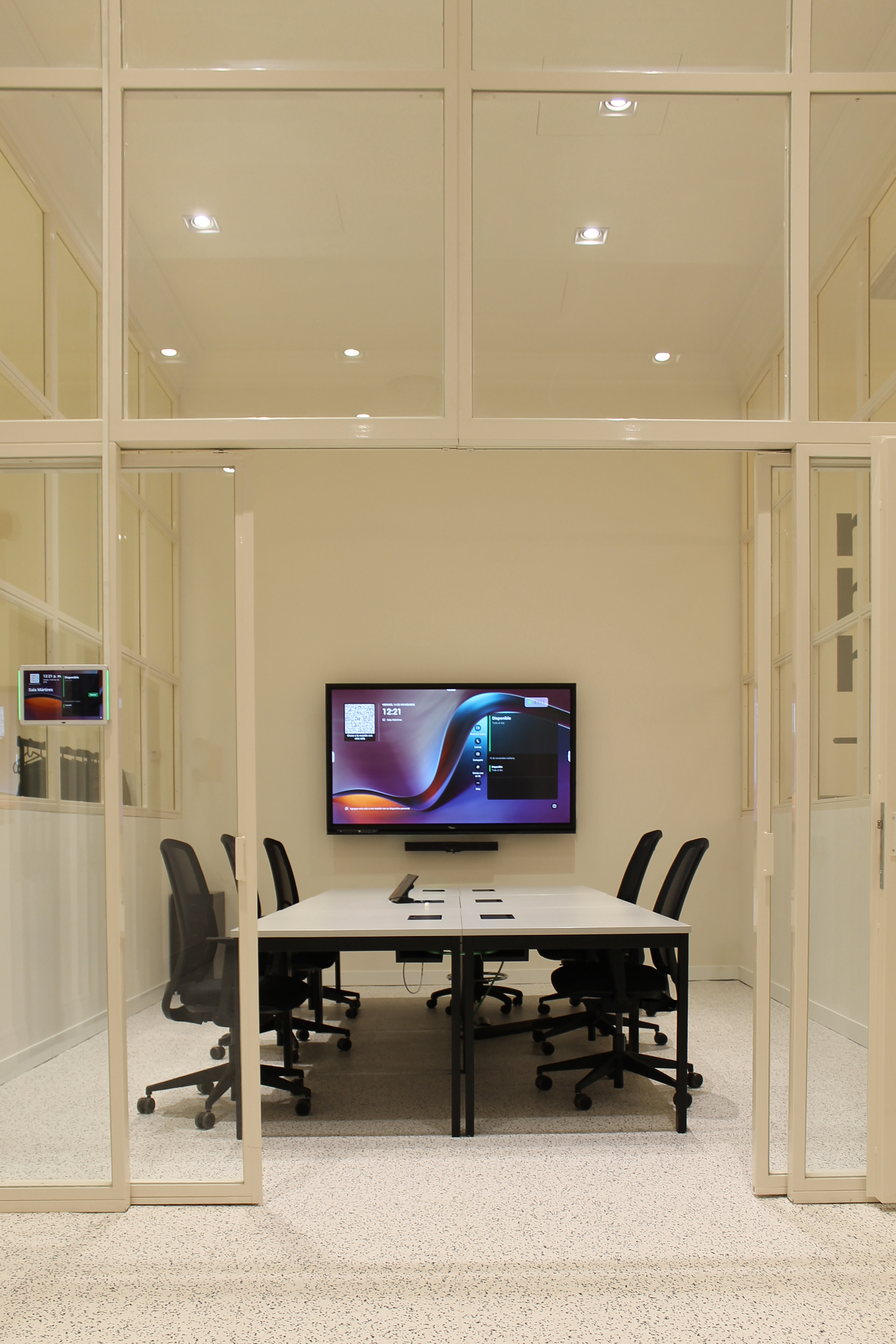
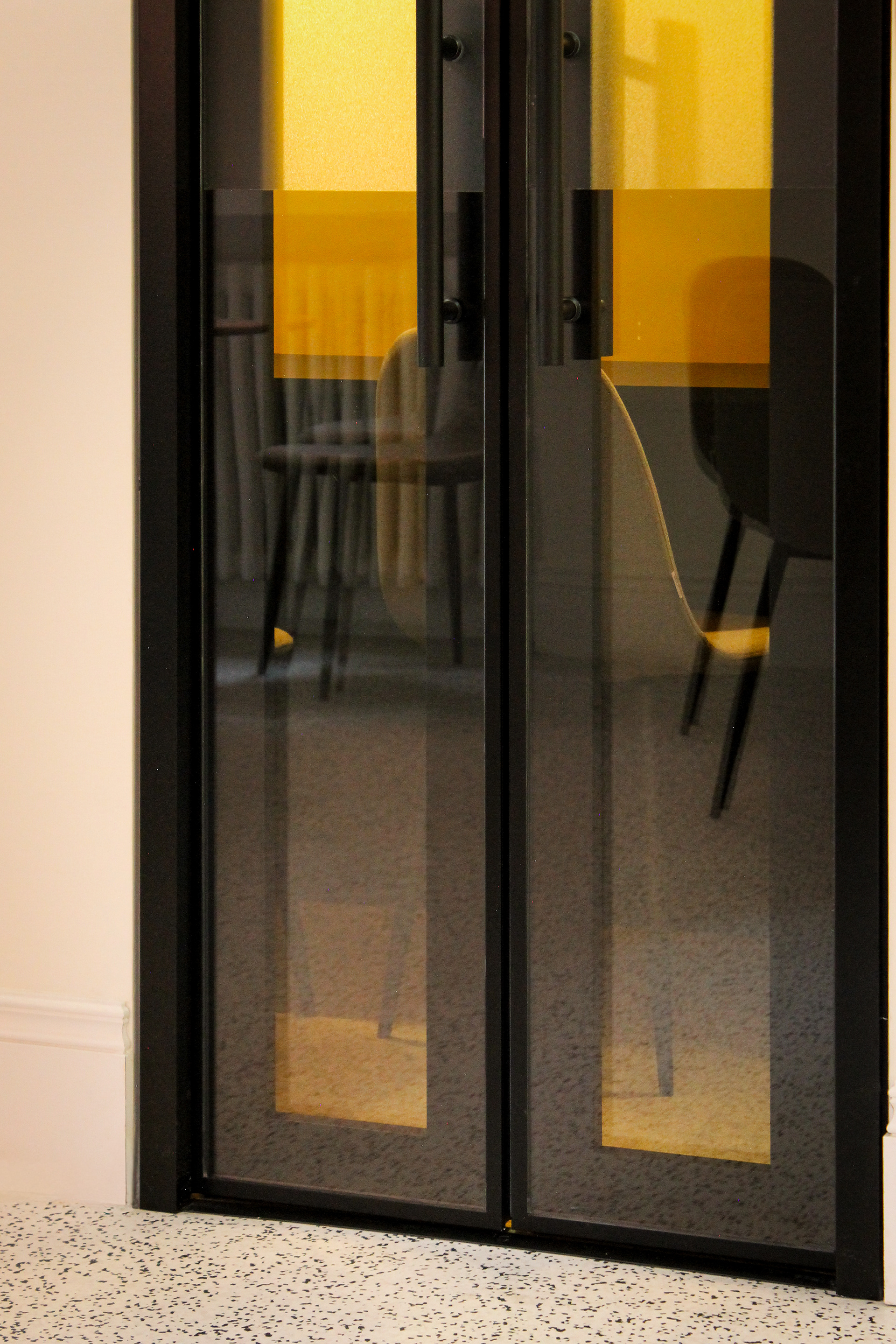
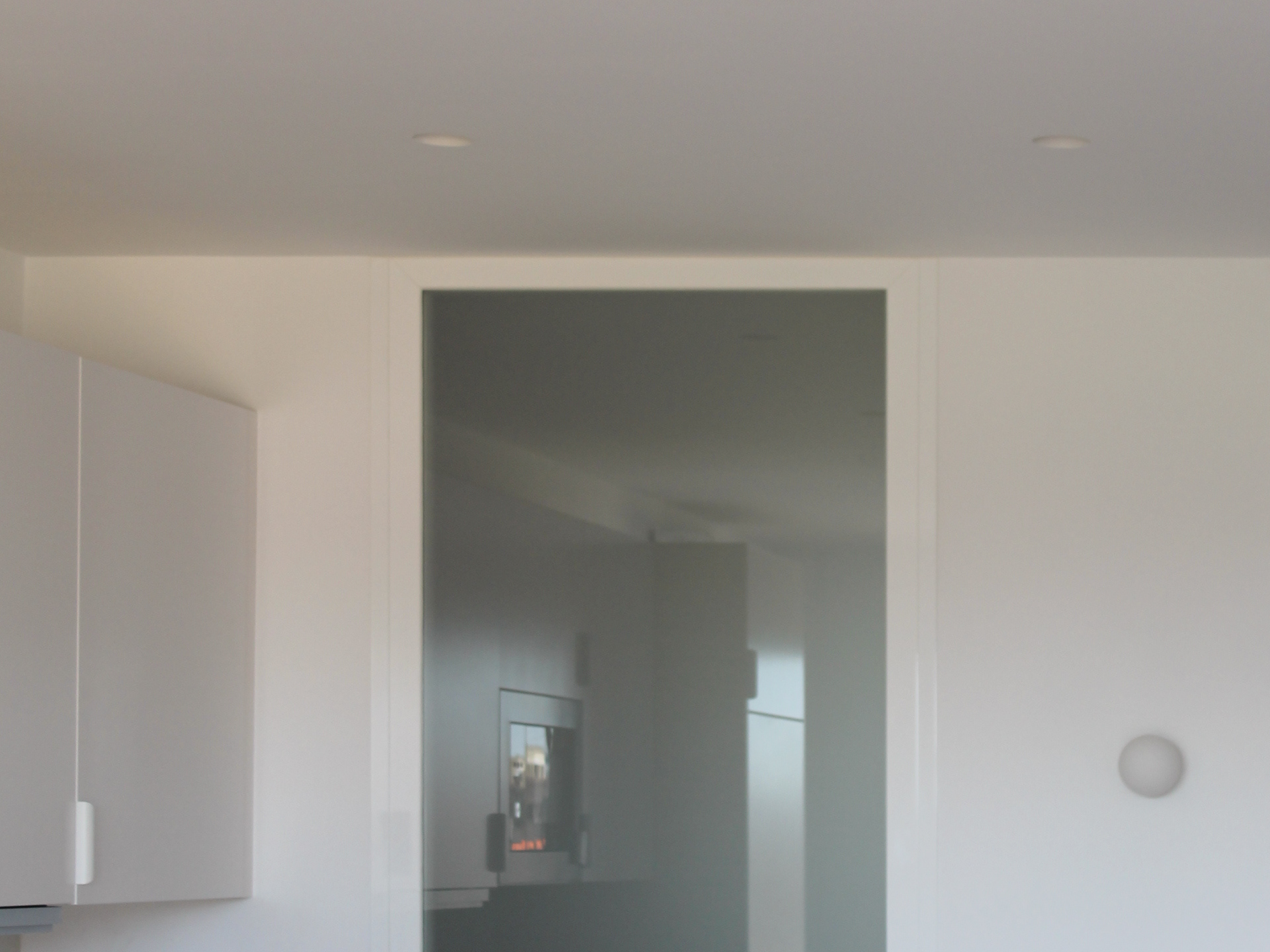
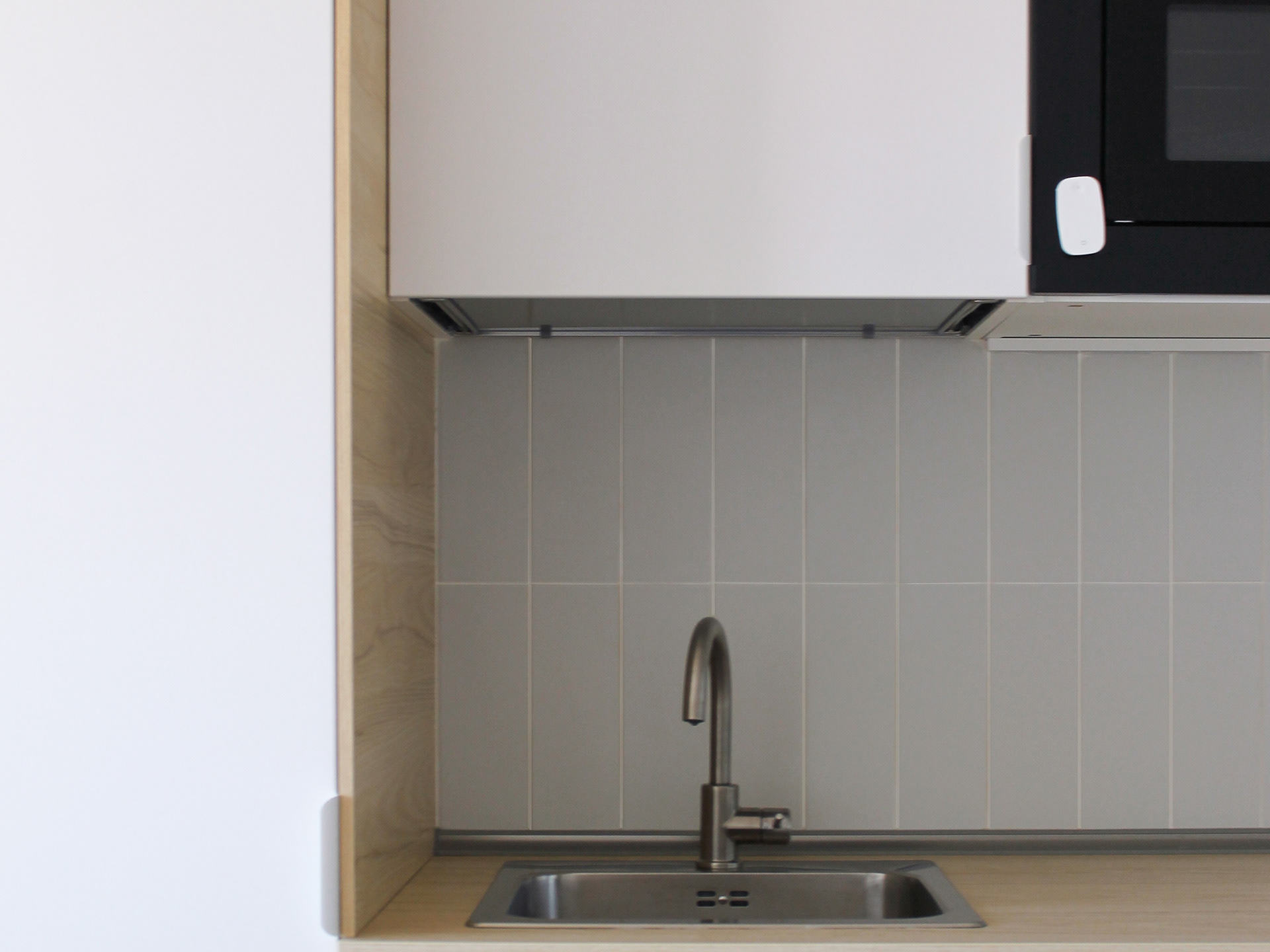
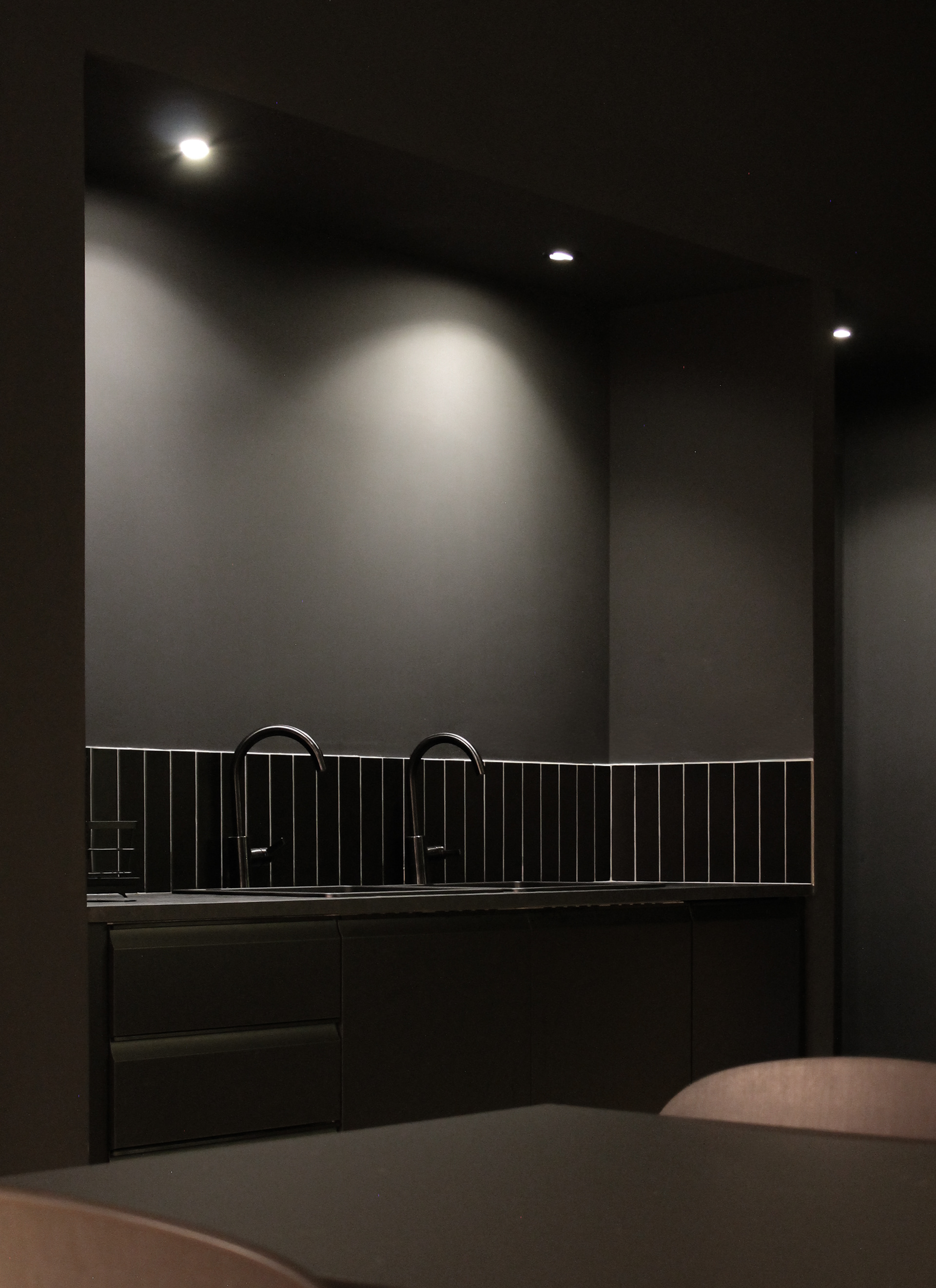
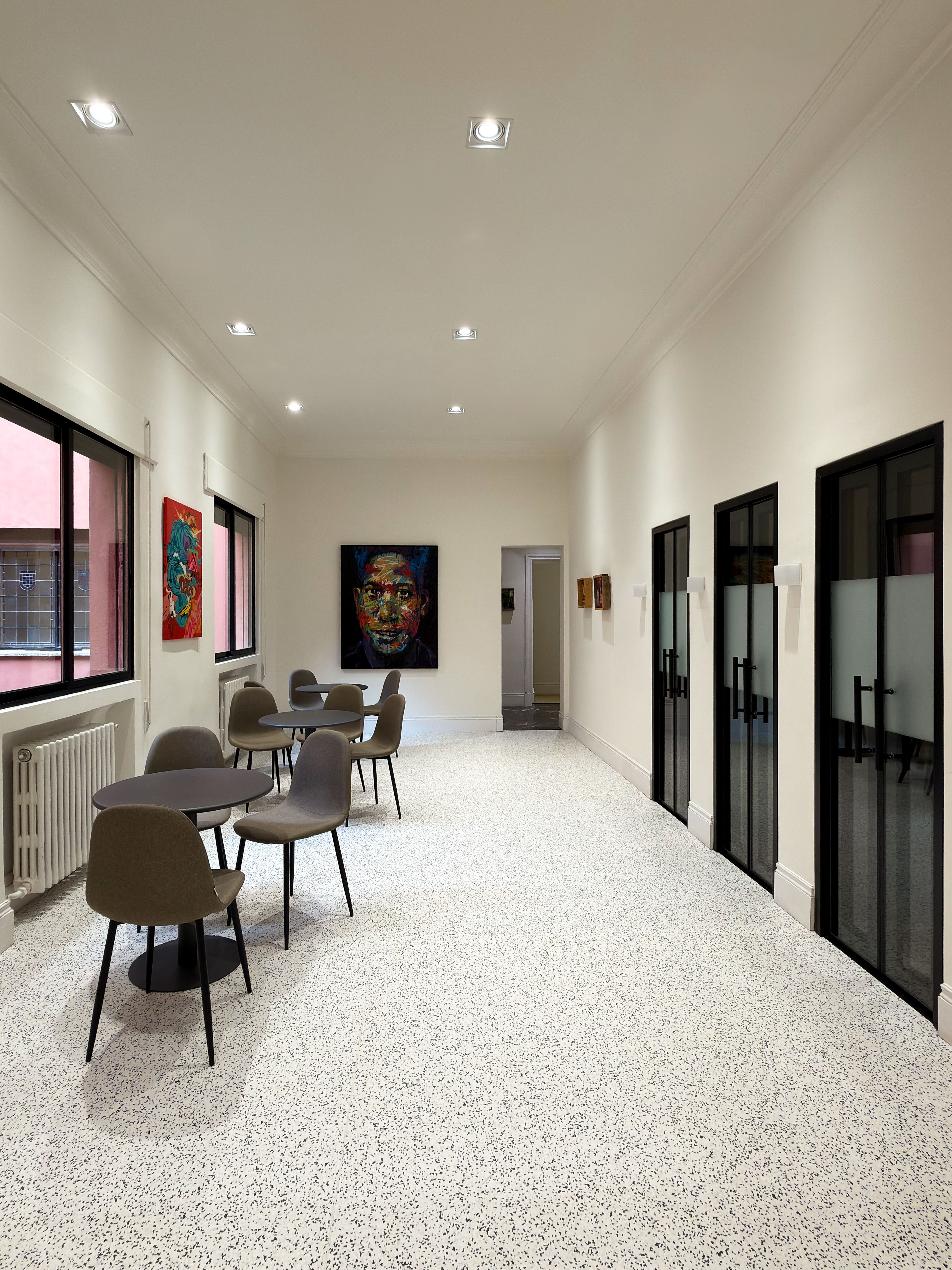
The intervention executed by Sanber Studio prioritized functional flexibility and respect for the building's historical integrity. As a low-impact, non-structural refurbishment, the strategic focus was on re-engineering the interior partitions to enhance capacity (designed for scalability from 50 to 80 people) without compromising the fluid workflow. A key decision involved the strategic placement of acoustic pods within the main vestibule, securing necessary functional silence and privacy while maintaining an open feel. Furthermore, support areas received significant architectural attention: the restrooms and Office/Kitchenette were entirely redesigned and expanded, facilitating greater efficiency. Notably, glazed partitions were installed at the Office entrances, a precise functional move to mitigate environmental disruptions (sound and odour) to the main flexible workspaces.
The project's success lies in this meticulous craftsmanship, where every detail facilitates modern efficiency within the building’s sophisticated historical shell.